Why This Film Is Beginner-Friendly
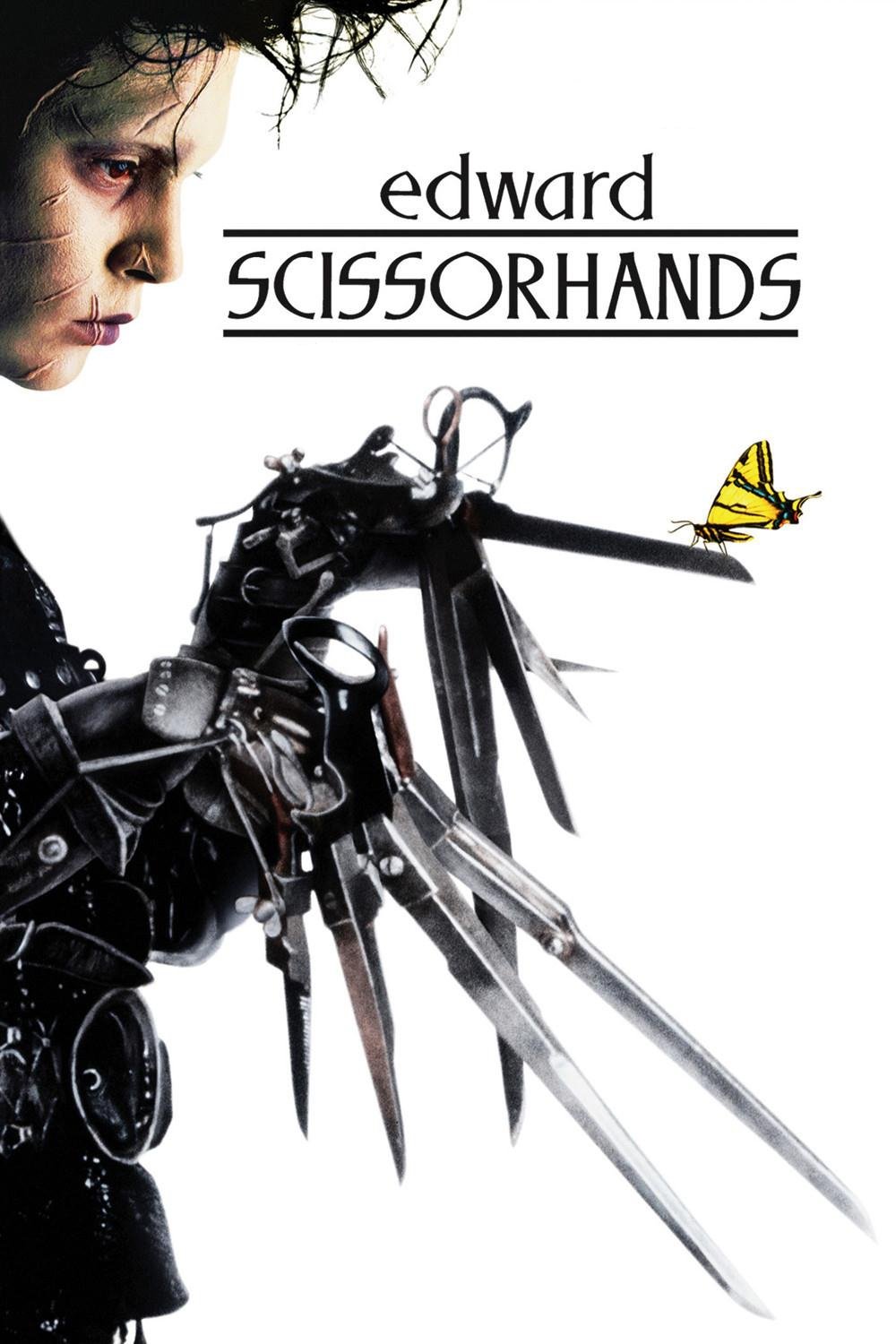
Whenever I remember my own first steps into classic cinema, I’m always grateful for films like Edward Scissorhands. I can’t help but believe it’s the cinematic equivalent of an open invitation—there’s nothing elitist, stiff, or intimidating about it. For me, its friendliness comes from the way the story instantly feels approachable: a blend of fairy tale, dark comedy, and romance that makes even classic film skeptics feel at home. The world director Tim Burton conjures up is like walking into your neighbor’s pastel living room only to find a gothic twist; it’s bizarre, sure, but so inviting that I never felt out of my depth. Unlike films weighed down by heavy symbolism or impenetrable Hollywood history, Edward Scissorhands makes its meaning glow in every frame—no film degree needed to feel what the characters are going through. I find the dialogue straightforward and the emotions completely unfiltered. At the same time, it’s visually captivating without being overwhelming; every shot, from snowy suburbia to Edward’s eerie mansion, is designed with beginners in mind—playfully curious rather than intimidatingly intricate. If you’re new to older movies, I honestly think this might be the ideal film for easing into their rhythms, because it feels like a friend welcoming you rather than a lecture you have to study for.
What to Know Before Watching
- Stylistically, I noticed right away that Tim Burton’s signature blend of whimsy and gothic isn’t what you’d find in most films from any era. The pastel-drenched suburban world may look lighthearted at first glance, but it’s backlit with otherworldly shadows and an almost storybook feel. That unique combination might seem odd if your usual popcorn fare is grounded in realism, but I found it helps set the tone for everything that happens next—once you adjust, it becomes its own kind of comfort.
- Compared to recent blockbusters, Edward Scissorhands unfolds at a more deliberate pace. I remember expecting sharp twists and constant action. Instead, I found space to breathe, focus on gestures, and let the feeling of the moment soak in. Burton seems to trust me as a viewer, giving me quiet scenes meant to be absorbed rather than rushed. It may feel slow in the beginning, but if you let yourself relax into it, those softer beats are where the movie’s heart lives.
- If you’re new to older films, you might be surprised by how stylized everything feels—especially the acting. Johnny Depp’s Edward isn’t typical; his lines are sparse, his movements exaggerated, and his emotions often communicated purely by his eyes or small gestures. I remember thinking, “This isn’t how people really act,” but that exaggeration is intentional, drawing me into both the comedy and the loneliness so much more deeply than any standard realism could. Give yourself permission to be swept up, even if it feels strange at first.
Key Things to Pay Attention To
When I first experienced Edward Scissorhands, what struck me most wasn’t the plot—it was how vividly each character’s feelings seemed to reach out to me. If I could give one piece of advice to a newcomer, it would be to look closely at faces and hands rather than get lost in what people are saying. Johnny Depp, in particular, gives Edward a heartbreakingly direct way of “speaking” just through his eyes and awkward gestures, reminding me that film isn’t just about scripts, but about what’s left unsaid.
I always remind myself not to just take the suburbia at face value. The colors, the clothes, and the almost comically perfect lawns aren’t just there for style—they press on me the feeling of being a misfit surrounded by people who value conformity above all. Searching for those subtle contrasts (the difference between Edward’s dark, spiky appearance and the cheery neighborhood) brings out the movie’s true message: what do we lose when we try to fit into a mold?
Emotion is front and center here. Every reaction from the townsfolk, every ginger glance from Winona Ryder’s character, every uncertain movement of Edward’s blades gives off layers of meaning. I sometimes stop and ask myself, “Whose perspective is this scene from, and how does that change the sadness or sweetness I feel?” If you come into the film with a willingness to let your own feelings rise and fall along with the characters, I think you’ll find yourself moved in surprising ways.
Lastly, I always focus on the soundscape and Danny Elfman’s score. The music here isn’t background noise—it’s a character on its own. Sometimes it’s whimsical, other times haunting, and it helps communicate what words never could, especially for a character like Edward, who’s more heart than voice.
Common Misunderstandings for First-Time Viewers
- Thinking the film is meant to be scary – I remember bracing myself for horror, but realized quickly that its “dark” elements are gentle and dreamlike. Burton’s gothic touches don’t mean to frighten, but rather to set Edward apart and highlight how the world treats those who are different. Once I accepted that, I stopped waiting to be startled and started savoring the sadness and sweetness instead.
- Assuming the suburban characters are all villains – It’s tempting to see everyone in pastel as cruel, but on my second watch, I realized how nuanced many of them really are. Some just don’t understand Edward, others are afraid of what they don’t know, and a few even reach out with real compassion. If I’d written off the entire community, I would have missed important shades of gray that make the film richer and more human.
- Believing Edward is only a tragic figure – Initially, I was so focused on Edward’s suffering that I nearly overlooked the humor and moments of joy. Burton mixes playfulness and whimsy into almost every scene, reminding me that Edward is more than his suffering—he finds connection, beauty, even love, and his presence transforms the world around him in ways that go beyond sadness.
Is This a Good Starting Point for Classic Cinema?
If you’re standing on the edge of classic cinema, unsure if it’s for you, I have to say Edward Scissorhands is one of the easiest (and most rewarding) places to begin. In my own journey, nothing made me feel more welcome in the world of “older movies” than seeing how this story mixed strangeness and emotion so fearlessly. It doesn’t demand encyclopedic knowledge of film history, nor does it expect you to appreciate obscure references or fancy language. Instead, it invites you to simply feel—and as someone who came in knowing very little, I found that liberating.
What I love most is how the film’s themes—outsiderness, longing, the search for love—are immediately clear even if you’ve never seen a Tim Burton film before. The style might be heightened, but it speaks in a universal language of color, music, and silent glances. If you give it space, it rewards your attention with scenes that linger long after the credits roll.
For me personally, starting with Edward Scissorhands opened doors to a much wider world of classic films. It built up my patience for different pacing, my curiosity about unique styles, and my confidence that great movies can be both unusual and accessible. I always encourage hesitant friends to start with side doors like this one: films that are called “classics” but feel as alive and fresh as anything made today. If you’re new to this world, I genuinely don’t think you could hope for a warmer welcome.
If you’re wondering how this film compares to others that have stood the test of time, these may help.
🎬 Check out today's best-selling movies on Amazon!
View Deals on Amazon