
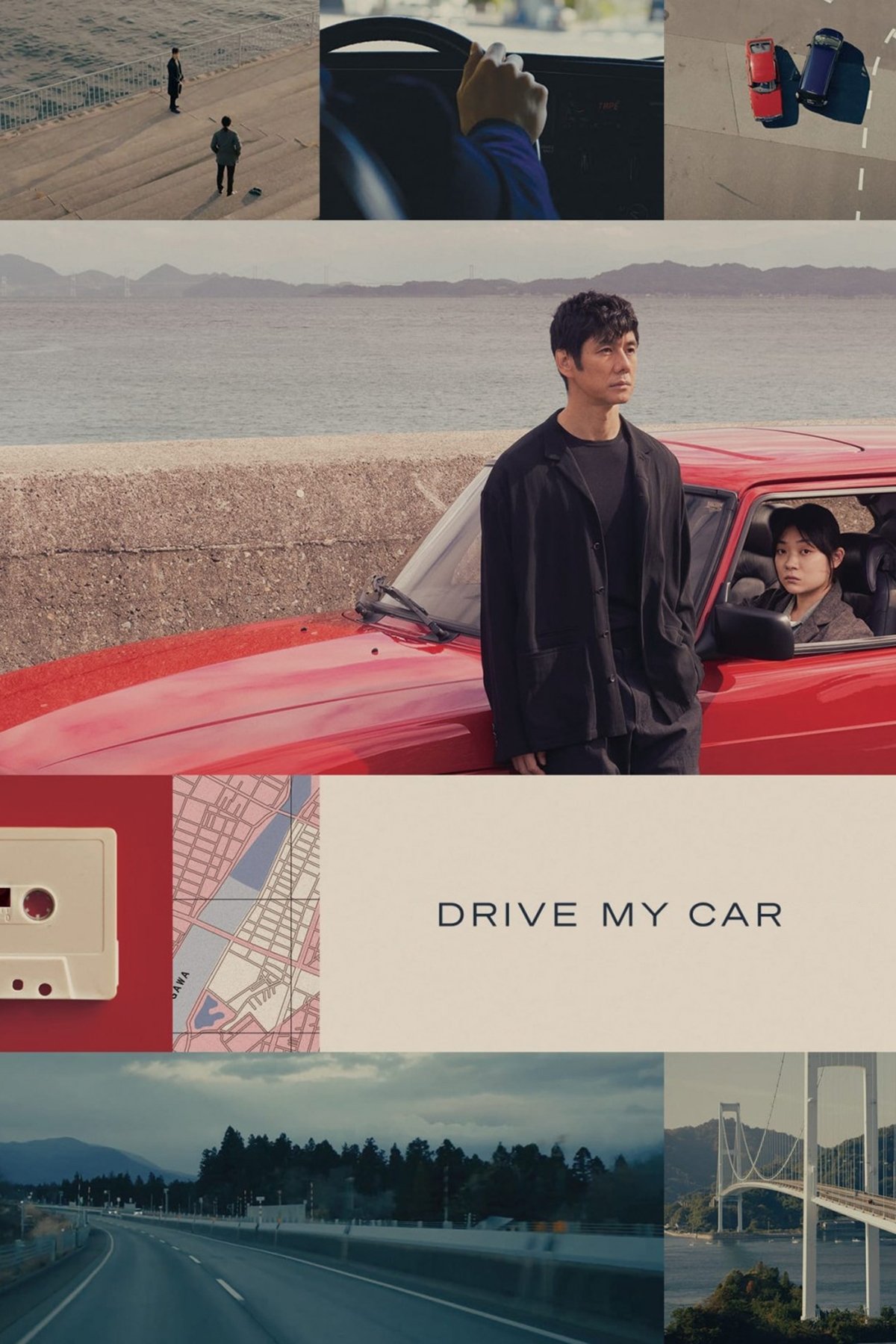
Why This Film Is Beginner-Friendly
When I sat down to watch “Drive My Car” for the first time, I was genuinely nervous about where to even begin with classic or celebrated world cinema. I expected something that would be dense or impossible to connect with, but I was surprised—delighted, even—by how gently this film ushered me in. What eased me in instantly was its emotional transparency. That’s not something I’d always expected from a critically acclaimed, “art-house”-labeled film. While it bears the hallmarks of what some call a “modern classic,” it meets you patiently and never demands specialized knowledge.
What made this film so beginner-friendly, in my experience, was the way it trusts the audience. I didn’t feel pressed to “get” every symbolic detail or cultural reference immediately; instead, I could simply spend time with its characters. Their longing, grief, and hesitant search for understanding felt so universally human, I easily empathized regardless of my background with Japanese cinema or more reflective storytelling styles.
For anyone just starting to dip their toes into classic films—especially those celebrated in recent years—“Drive My Car” offers a beautifully clear window into why international movies can move us so deeply. There’s nothing cryptic or intimidating here: it unfolds like a conversation, not a lecture. The film’s quiet confidence in letting emotions develop naturally gave me the space to interpret, relate, even wander, rather than decode obscure symbolism. Whenever friends ask what I’d recommend for their very first “classic” film night, this one always makes my shortlist, precisely because of how gracefully it welcomes new eyes.
What to Know Before Watching
- Some of the film’s most powerful moments rely on subtle facial expressions or pauses rather than dramatic action. I noticed right away that silence here often speaks volumes—in a way quite different from mainstream or Hollywood releases.
- The pacing might feel unusually measured at first. The opening credits don’t even appear until around forty minutes in, which really surprised me. I came to appreciate this unhurried approach, but if you’re used to tightly constructed, fast-paced plots, it may require a gentle reset of expectations.
- This film weaves together languages and cultures, sometimes in the same scene. Characters speak Japanese, Korean, even sign language. There are subtitles, of course, but I actually found that this multilingual tapestry made the film feel more global and personal at the same time. Still, it can be a surprise if you’re new to international films.
- Unlike many recent movies, “Drive My Car” often lets scenes breathe, sticking with a single shot or conversation long enough for you to notice the smallest detail. Early on, I expected each scene to declare its purpose loudly; instead, meaning often accumulates quietly, piece by piece.
- The movie adapts a short story by Haruki Murakami, but it stretches far beyond the typical limits of a short narrative. So, even if you haven’t read the source material, don’t worry: the film stands completely on its own. As someone unfamiliar with the story, I never felt lost or out of place.
- I was taken aback by how much time “Drive My Car” spends inside cars, listening to recorded scripts or sharing wordless glances in the rearview mirror. If you expect car-centric movies to be action-packed road trips, this graceful quietude will likely surprise you.
Key Things to Pay Attention To
If you’re anything like me when approaching celebrated films for the first time, the temptation is to search for secret messages or hidden symbolism everywhere. With “Drive My Car,” I realized early on that the real magic arises from giving myself permission to simply be present with the characters. I encourage you to focus closely on their faces, their silences, and, perhaps most importantly, the emotional changes that happen in the small spaces between words.
One thing that made the film so rewarding for me as a beginner was how much storytelling occurs visually. Pay special attention to the recurring glimpses out of car windows: the passing landscapes begin to mirror the internal journeys the characters are taking. I also found myself watching which direction people face—sometimes away from each other, sometimes in reflected glass—which subtly signals their emotional distance or closeness. The gentle rhythm of driving provides not just the film’s title, but a sense of movement, progress, and searching that says more about grief and healing than any direct explanation could.
The movie spends a lot of time on rehearsals for a multilingual production of “Uncle Vanya,” a Chekhov play. Even if you know nothing about the theater or this specific play (I sure didn’t), what matters most is noticing how each character uses the script almost as a shield—or a confession. When I stopped worrying about “getting” every reference and tuned into how lines are spoken, I was stunned by how this repetition slowly stripped away facades and revealed raw truth beneath.
Finally, if you watch carefully, you’ll see how spaces and light change as the story unfolds. Sometimes rooms feel sharply empty, sometimes warm and shared. These shifts are gentle, but they add so much to the mood. Just let yourself take in these sensory cues, and you’ll find the movie speaking to you even in its quietest moments.
Common Misunderstandings for First-Time Viewers
- Thinking the film is “about” the play “Uncle Vanya” – While scenes from the Chekhov production appear throughout, I quickly found out you don’t need to know the play to appreciate the film. It’s not an adaptation, but instead a deeply personal story that uses the play as an emotional backdrop. What matters is not the plot of “Uncle Vanya,” but how rehearsing it pushes the characters toward self-discovery.
- Assuming the slow pace means nothing is happening – I remember initially being worried that I was missing something because the movie doesn’t race forward. What gradually unfolded for me is that all the little conversations, silent car rides, and repeated routines are building blocks for the film’s powerful finale. Small moments accumulate significance; sometimes you only realize what they meant after the credits roll.
- Expecting a conventional resolution or big emotional climax – My first expectation was for a traditional Hollywood catharsis, but “Drive My Car” resolved itself quietly, with a gentle honesty rather than dramatic fireworks. The resolution here is nuanced and open-ended, and that’s what gives it staying power. Don’t fret if you don’t walk away with every plot thread tied up—sometimes life, and great films, end on a sigh rather than an exclamation mark.
Is This a Good Starting Point for Classic Cinema?
When I look back on my journey with “Drive My Car,” I’m grateful I chose it as an entry point into more celebrated or classic films. I truly believe it’s a fantastic film to start with if you’ve felt wary of art-house movies or anything labeled as “critically acclaimed.” It doesn’t test your knowledge or endurance, but instead welcomes you into a world where emotions take precedence over plot gymnastics. The film trusts that your everyday curiosity and empathy are more than enough.
What stood out to me most—something I wish every beginner could experience right away—was how “Drive My Car” models the gentler, more reflective style that defines so many enduring films across global cinema. It taught me to slow down, to lean into ambiguity, and to find comfort in characters who don’t always have the right words. That patience rewarded me with a more personal, lasting connection to what I’d watched. If you’re deliberating whether to watch this as your first step into classic films, my advice is simple: trust the film, trust your reactions, and don’t pressure yourself to “solve” it. Give yourself permission to simply observe, to feel, to reflect. You might just discover, as I did, that this openness is what classic cinema is really about.
If you’re wondering how this film compares to others that have stood the test of time, these may help.
🎬 Check out today's best-selling movies on Amazon!
View Deals on Amazon