The First-Time Viewing Experience
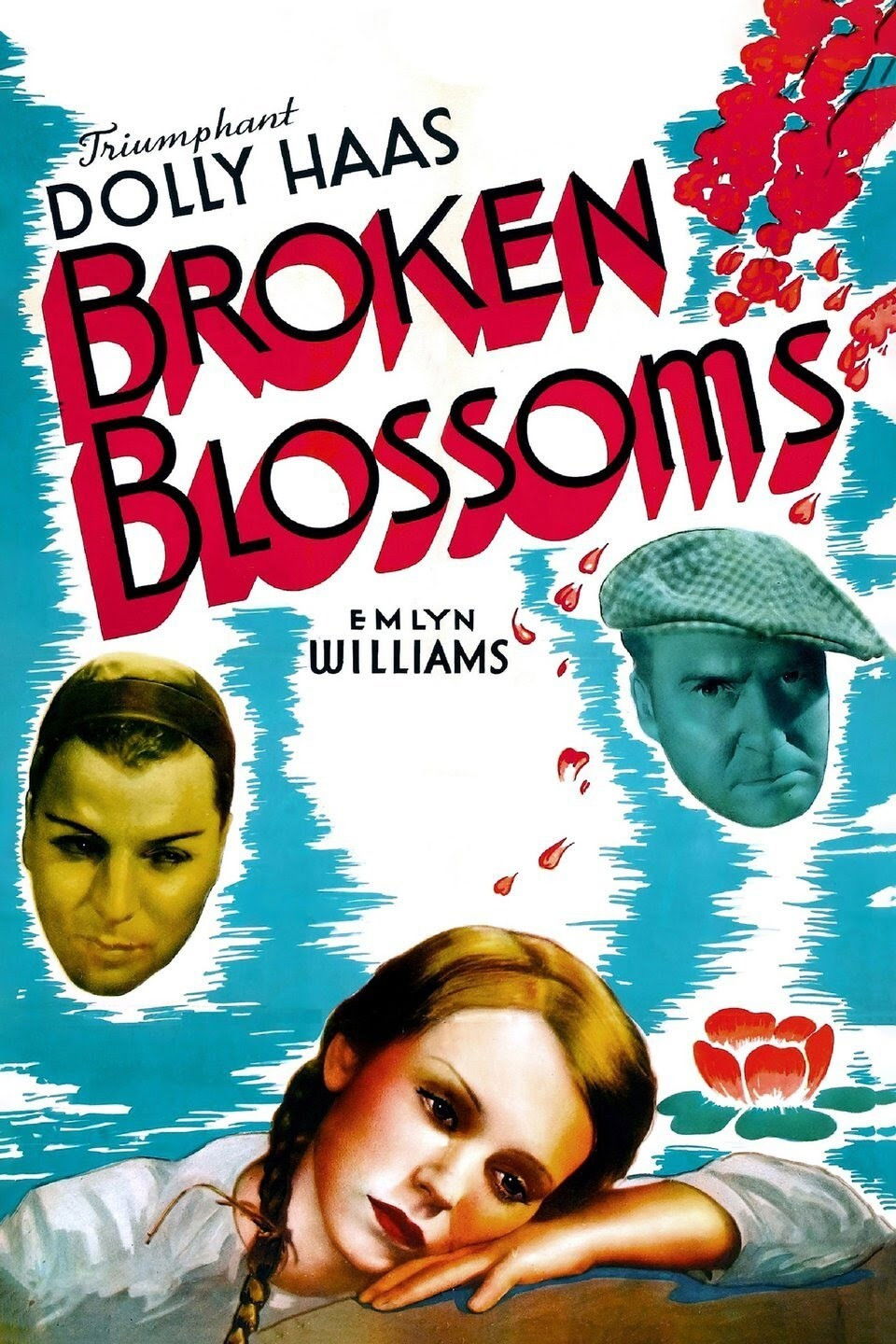
It’s funny how certain films can slip between the cracks for years, sitting quietly on “essential viewing” lists, their silent reels nearly a century distant from my living room, until curiosity finally overpowers indifference. That’s how I first watched “Broken Blossoms.” I remember my apprehension; could a silent film made before the Roaring Twenties possibly have anything urgent to whisper to me now? But as soon as the first frames flickered, I was reminded that these early experiments in cinema weren’t just technical feats—they were provocations, deeply felt and achingly sincere. What struck me most, right at the outset, was not how old the film appeared, but how keenly it made me feel time’s porousness. There’s a delicate vulnerability to the story, and to the faces that light up this patchwork of shadows and light, that made it oddly contemporary in its emotions. Rather than placing me at a distance, “Broken Blossoms” surprised me by pulling me right into its storm of beauty and pain.
During my first watch, I felt what I can only describe as an unsettled hush—like I had wandered into someone else’s intimate grief, and it wasn’t clear if I should stay or excuse myself. The film doesn’t take much time to teach you how to ‘read’ it; the emotive expressions, the barely restrained physicality, and the careful composition of scenes all coaxed me to lean in. If, like me, you’re new to silent cinema, the absence of spoken dialogue is less an absence than an invitation: words are replaced by faces, gestures, shimmering glances, and those title cards that punctuate the narrative with poetic economy. Instead of feeling removed from the characters, I found myself holding my breath, searching their eyes for meaning, just as I search the faces of people I love when words fail. This was intimate, new, and bracing—exactly how I imagine the earliest audiences felt in the dark of 1919, discovering the magical immediacy of film for the first time.
The biggest surprise for me, honestly, was how quickly my brain adjusted to the different storytelling rhythms. At first, every exaggerated glance or trembling hand felt almost theatrical, but soon this style seemed the only honest language for such weighty, inexpressible feelings. There’s a slow-blooming identification with Lillian Gish’s waiflike Lucy and Richard Barthelmess’s gentle Cheng Huan—a recognition that transcends the stiff costumes and sepia tones. Rather than feeling like relics of a remote era, they felt as if they emerged from some dream I, too, must have dreamed. And then there’s that ever-present sense of vulnerability—that any joy or safety in this world is fleeting. I felt not only for the fragile characters but for the film itself, as if its beauty was always in danger of fading away, moment by moment, frame by trembling frame.
If you’re approaching “Broken Blossoms” for the first time, as I did, you might expect a clinical exercise in ‘important’ cinema history. What I found was far riskier: a film that invited me, even demanded me, to feel alongside its battered protagonists. Sympathy seeped in between the silent intertitles and the plaintive music, and although nothing about the time or place seemed familiar on the surface, I found my own anxieties reflected back at me with surprising clarity. This is not just an artifact; it is, at its heart, a living, breathing legacy of bruised hope—a feeling I didn’t expect, but one I’m moved to carry with me.
Emotional Moments That Resonate
When I think back to my first viewing, particular images snap to the front of my mind—moments that needed no words and yet left me honestly shaken. The most lasting impression I have is the sequence where Lucy, desperate and wide-eyed, retreats into a battered wardrobe to escape her father’s drunken rage. It’s almost unbearable—her tiny form, crumpled and trembling, pressed into the darkness as if she’s trying to become invisible. Watching through my fingers, I realized that, for all the melodrama people associate with silent films, the pain here was terribly real. My heart ached for her, and for every person I’ve ever known who has tried to make themselves small to survive. The visual language—shadows swallowing her up, then the camera’s unblinking gaze—communicated terror and heartbreak in a way no modern dialogue ever could.
I was also deeply moved by the scenes of tenderness that bloom amid the film’s persistent brutality. When Cheng Huan tends to Lucy’s wounds, his care is gentle, reverent—it’s a brief, almost sacred reprieve from the violence outside. My instinct was to brace myself, expecting these gentle moments to be short-lived, and of course they are. But in that calm, I felt the film’s central hope: that, even in a ruined city, quiet kindnesses can become lifelines. I suspect most people watching today would be just as moved, not because the film insists upon it, but because these small kindnesses stand out so starkly against the cruelty that surrounds them.
What lingers after the film, in my experience, is not the spectacle (there are no grand action set pieces here) but the accumulation of glances, gestures, and desperate hopes. Lucy’s childlike innocence, the devastating limitations of Cheng’s idealism, and the slow, encroaching sense that happiness in this world is fleeting and fragile—these are universals, rendered in a uniquely raw and immediate fashion. There is also, for me, a sharp awareness of the film’s darker undertones: the way it deals with racial difference, the theme of characters searching for belonging in a world that seems rigged against their connection. These resonate because they are, regrettably, not only historical but relevant still. Watching Lucy and Cheng’s tentative bond unfold, I found myself rooting for a future I knew was never possible—such is the power of the film’s honesty about heartbreak and hope.
Finally, the last moments—without giving away specifics—left me in a state of mute reflection. There is no sunshine solution, no miraculous reversal. Instead, I was left sitting in silence, haunted by what the film refused to resolve. That wordless ending is the film’s lasting gift: it grants permission to mourn, to sit with complexity, and to cherish fragile acts of love even when the world remains unchanged. I can see how modern audiences, who are often bombarded with triumphant resolutions, might be startled by this gentler, more painful truth. I was—and, I think, needed to be.
How to Appreciate This Film Without Prior Knowledge
I know firsthand how daunting “historic” films can seem. Before I pressed play on “Broken Blossoms,” I worried that my lack of expertise—no fluency in silent cinema, no scholarly context—would turn my viewing into a homework assignment. But what I discovered, to my relief, is that this film asks almost nothing of you except your willingness to feel. You don’t need to know D.W. Griffith’s tumultuous reputation, or trace the origins of silent melodrama, to be swept along by the emotional current. In fact, I would argue that approaching the film as a blank slate might be the best way to encounter it.
There’s something incredibly liberating about accepting the visual language on its own terms, simply letting the music wash over you and letting faces lead you through the story’s emotional terrain. On my first viewing, I barely glanced at the title cards; the meaning always seemed to shimmer out of the shadows, told not through dialogue but through the ways characters moved and responded to pain or joy. I found myself forgetting to analyze or interrogate; instead, I surrendered to feeling.
If you’re able to watch with an open mind—unbothered by historical context or canonical expectations—the film’s humanity reveals itself almost instantly. Lucy’s terror, Cheng Huan’s compassion, the brutality of Lucy’s father—these are all themes that only require a heart, not a film degree, to appreciate. The lack of sound, rather than acting as a barrier, becomes an invitation. I found myself focusing in new ways, noticing subtleties of gesture and light that would otherwise be buried beneath spoken words. The simplicity of the narrative meant that I was never confused, only compelled to look closer. Even the theatrical expressions, at first so unfamiliar to me, quickly became transparent and deeply communicative. This is a film that trusts its viewers to piece things together emotionally, not intellectually.
And so, for anyone nervous about “not getting it,” I can promise my own anxieties melted away almost immediately. There was no need to research, take notes, or prepare. All that was necessary was to enter gently, open to the possibility of feeling something unexpected. Whatever background you bring—whether you’ve seen dozens of silent films or this is your very first—you will find entry points into “Broken Blossoms” simply by acknowledging your own capacity for empathy. That, for me, was both a relief and a revelation. Watching this film is less a test of knowledge than a quiet invitation to experience a piece of art as old as the dreams we still have for love, mercy, and escape.
Who This Film Is Best Suited For
- Viewers hungry to experience powerful emotion through the purest forms of acting and visual storytelling
- First-time explorers drawn to classics who want to test the emotional range of silent-era cinema
- Anyone eager to feel the connective tissue between modern struggles and the earliest cinematic attempts to portray vulnerability and hope
A Beginner’s Final Recommendation
Standing at the intersection of fascination and fear, I remember what it was like to consider watching “Broken Blossoms” as a first-timer—not sure if I’d be moved or merely puzzled. If that is where you find yourself now, I wholeheartedly encourage you to give yourself over to this film. My own initial doubts dissolved into respect and awe as the story unfolded, and what began as a curiosity transformed into a deeply personal encounter with loss, beauty, and the stubborn persistence of hope. It’s a film that invites you, gently but unsparingly, to feel rather than simply observe. Whether you’ve never watched a silent film in your life or you’re just beginning to dip into film history, you’ll find yourself changed in small, surprising ways, touched by emotions that are as immediate now as they were over a century ago.
Give yourself the space to watch without judgment or preconception. There is no wrong way to take it all in—whether you’re swept away by the contrasts of cruelty and tenderness, or find yourself simply curious about the miracle of empathic connection that repeats through history. Let the haunted faces and hushed narrative remind you that films, even the oldest ones, can still pulse with urgent life. I am certain that there is room for your own interpretations and responses—and that the film’s beauty will meet you wherever you are, beginner or seasoned cinephile alike.
To understand whether timeless appeal still resonates today, modern reassessments are worth exploring.
🎬 Check out today's best-selling movies on Amazon!
View Deals on Amazon