Why This Film Is Beginner-Friendly
If someone had told me years ago that I’d be recommending a psychological thriller about a ballerina as a way to jump into classic-style cinema, I probably wouldn’t have believed them. Yet, my experience watching Black Swan was a revelation. I found myself spellbound by a film that doesn’t require a backlog of film history or a library of art-house references—everything is laid out with a raw and accessible immediacy. Black Swan manages to reach out to newcomers like myself not through obscure symbolism or coded storytelling, but through a pulse-pounding tale of ambition, self-doubt, and transformation. Instead of presenting itself as homework, it drawn me in much the way great cinema should: with feelings, faces, and a rush of images that were impossible to shake off.
What makes this movie truly beginner-friendly, in my opinion, is how universal the themes are. Anyone who has ever strived for perfection, felt fearful about being “good enough,” or fallen prey to their own insecurities will find something hauntingly familiar here. I didn’t need to know all that much about ballet or classic literature, but the emotional journey rang so true that it felt personal. The film pulses with energy: the camera is restless, always moving and tracking the character’s anxiety in a way I found easy to relate to, even as the story took me in unexpected directions. There’s an electricity that keeps things accessible even as the tension rises.
Another thing that left an impression on me was the film’s commitment to storytelling through visuals and performance, rather than dialogue-heavy explanations. This isn’t a talky, old-fashioned drama where characters stop to explain their feelings. Instead, I got to interpret the story myself, which made me feel more invested. Despite its reputation as a psychological thriller, Black Swan is immensely accessible because it speaks in the language of movement, expression, and sound—something even the most inexperienced film fan can appreciate.
What to Know Before Watching
- Black Swan was made in 2010, and while it’s not as old as some classic films, it draws on traditions of psychological thrillers from decades past. The combination of contemporary style with an almost Hitchcockian sense of suspense might feel new if you’ve mainly watched recent blockbusters.
- Compared to big-budget action films or straightforward romances, the pacing here is tense but unhurried. I noticed how the film builds slowly, using repetition (like scenes of daily routines) to heighten the sense of obsession. For first-timers like me, this might feel a bit unusual at first, but it adds depth once you settle into its rhythm.
- There are dreamlike sequences and moments where reality blurs with imagination. When I watched it, I occasionally found myself questioning what was “real” versus what was in the character’s head. If you’re not used to films playing with perception, that can surprise you—but I found it thrilling instead of confusing once I embraced the ride.
- The movie is emotionally intense, and there are some unsettling or graphic moments. I hadn’t expected the psychological horror elements to feel so visceral, but they add to the stakes. I’d suggest being prepared for some raw and dark moments—it’s not a casual, light-hearted experience, but that intensity is central to its impact.
- There’s a strong focus on ballet as both an art form and a metaphor. While I’m not a ballet expert, the film explains just enough for me to follow the emotional stakes. You don’t need to have seen Swan Lake or know any ballet vocabulary—letting yourself absorb the movement and atmosphere is enough.
Key Things to Pay Attention To
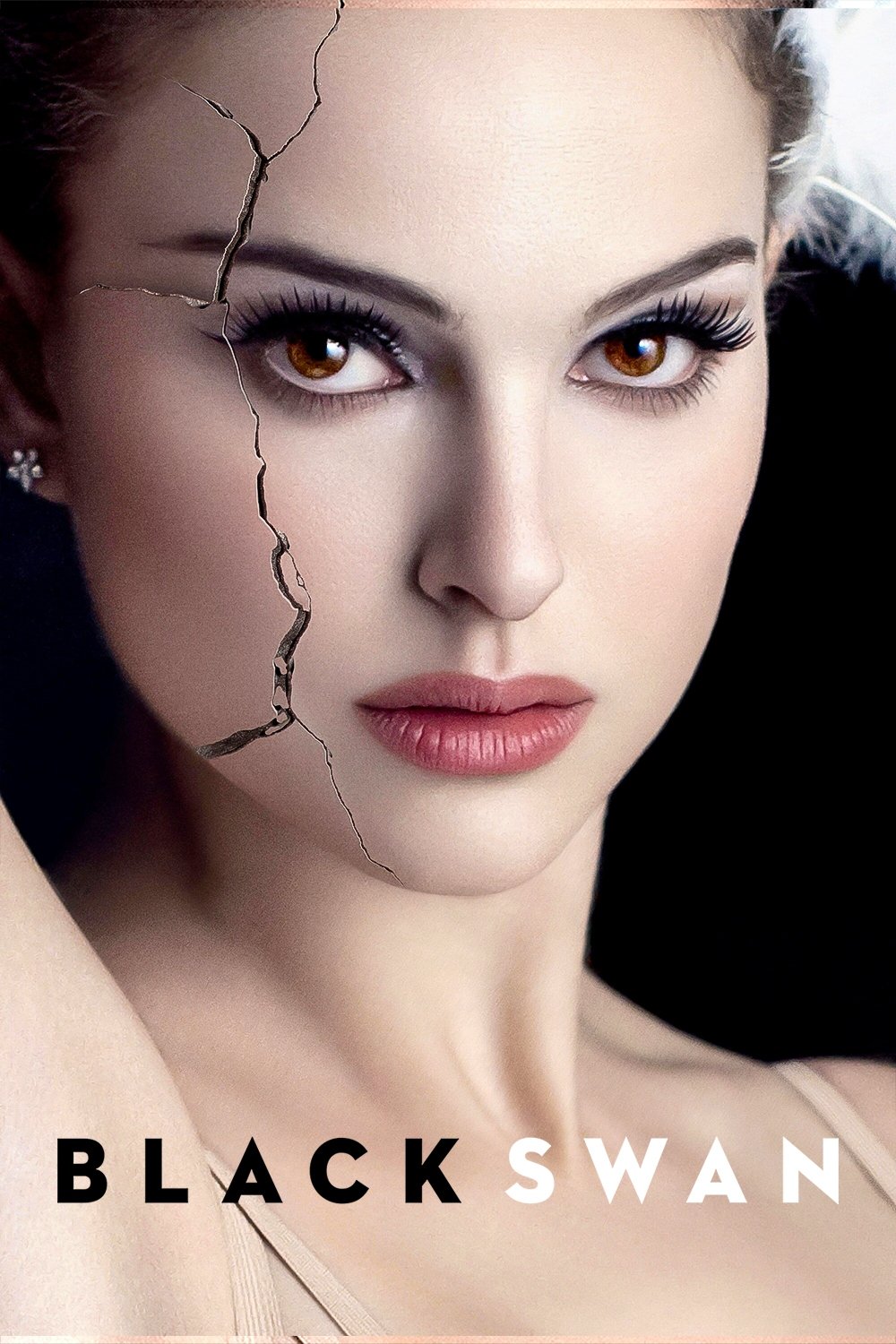
Whenever I sit down with a film I’m not sure about, I always look for a human connection first—and Black Swan delivers that in spades. For me, everything revolved around the central character, Nina. Her conflicting desires, her overwhelming need for approval, and her slow unraveling all create an experience that feels deeply personal. I find that paying close attention to her facial expressions and body language reveals more about her state of mind than any exposition could. Every flicker of fear, every nervous gesture, is part of the story.
I’d also recommend watching the way the camera follows Nina throughout her journey. The director chooses to keep the camera close—sometimes even uncomfortably so—which put me up close and personal with the anxiety and pressure she faces. I realized that the tension of the film isn’t just about what’s happening, but about how it’s shown: the dizzying camerawork and quick cuts kept my heart in my throat, even when the plot itself was quiet. That’s visual storytelling at its most immediate, and it’s one of the reasons I believe the movie is beginner-friendly.
I was mesmerized by the interplay of light and dark, both in how the ballet is choreographed and in the sets themselves. I could see the metaphor of transformation everywhere—from costumes to makeup, even how characters appear in mirrors. If you notice recurring visual motifs (for example, the use of mirrors or feathers), you’ll get even more out of the film, but don’t worry if it all feels overwhelming your first time. Simply soaking in the changing moods and contrasts is enough. Sometimes, I find I notice more on a second viewing, but the story is compelling even if you spot just a few of these touches.
Finally, I want to emphasize how immersive the sound is. The music, a modern twist on Tchaikovsky’s Swan Lake score, isn’t just background noise—it’s an emotional current that runs through the film. When I listen closely, I hear echoes of Nina’s mood, with the swelling music marking her determination or her doubt. Paying attention to the sound design—the click of pointe shoes, the rush of applause, or the quiet moments of breathing—really helped me feel like I was part of her world. These details, while subtle, made everything come alive in a way that words alone never could.
Common Misunderstandings for First-Time Viewers
- Misunderstanding 1 – Thinking it’s “just about ballet”: I know a few people who skipped Black Swan because they assumed it was mostly dance footage. For me, the ballet is only the surface; it’s actually about striving for perfection, dealing with fears, and finding identity under intense pressure. The dance serves as a metaphor, so you don’t need to love ballet to be drawn in.
- Misunderstanding 2 – Believing the story is straightforward or literal: The first time I watched, I worried I’d missed “the point” because there are dreamlike or surreal moments that don’t seem to fit reality. Now, I see these are meant to put me inside Nina’s fractured experience—they’re not plot holes, but invitations to share her inner turmoil. Allowing myself to go with the flow made all the difference.
- Misunderstanding 3 – Expecting a comforting resolution: If you’re new to films that explore psychological tension, you might expect every question to be answered and all loose ends tied up. Black Swan is more interested in provoking emotions and questions than neat conclusions. That unsettled feeling I got afterward? It’s part of the journey, not a sign I misunderstood the story.
Is This a Good Starting Point for Classic Cinema?
The big question I ask whenever I finish a film like this is: “Would I recommend this to someone just getting into classic movies?” For Black Swan, my answer is a wholehearted yes—with a gentle caveat. If you’re looking for your very first classic film experience, it helps if you’re open to a bit of darkness and ambiguity. The emotional and psychological intensity can feel like a leap if you’ve mainly watched comedies or superhero flicks. But if you’re ready to be swept up in artistry and feeling, then I genuinely believe this movie makes for an excellent gateway.
What makes Black Swan so welcome for beginners, in my view, is its fearless honesty and cinematic boldness. I wasn’t left on the outside looking in—I was pushed right into the story, feeling the nerves, aspirations, and unraveling alongside Nina. The film doesn’t hide behind complicated references or insider knowledge, which means there’s nothing stopping anyone from diving right in. Even if it led me to ask difficult questions or left me feeling a little unsettled, that’s part of what makes it memorable. It encourages a kind of engagement I didn’t know I craved until I saw it—one where I didn’t just watch, but felt the story at every turn.
Starting your classic film journey with Black Swan might even set the bar higher for everything you’ll watch next. I realized how much more can be communicated through visuals and mood than through words alone. The emotional truths here—about perfectionism, fear, and self-discovery—are as timeless as anything from cinema’s golden age. While you might want to branch out to lighter or more traditional classics after this, I think there’s something empowering about beginning with a film that trusts you to keep up and find your own answers. I’d encourage anyone curious about classic films to give Black Swan a chance—not just as entertainment, but as an experience that’s both challenging and deeply rewarding.
If you’re wondering how this film compares to others that have stood the test of time, these may help.
🎬 Check out today's best-selling movies on Amazon!
View Deals on Amazon