
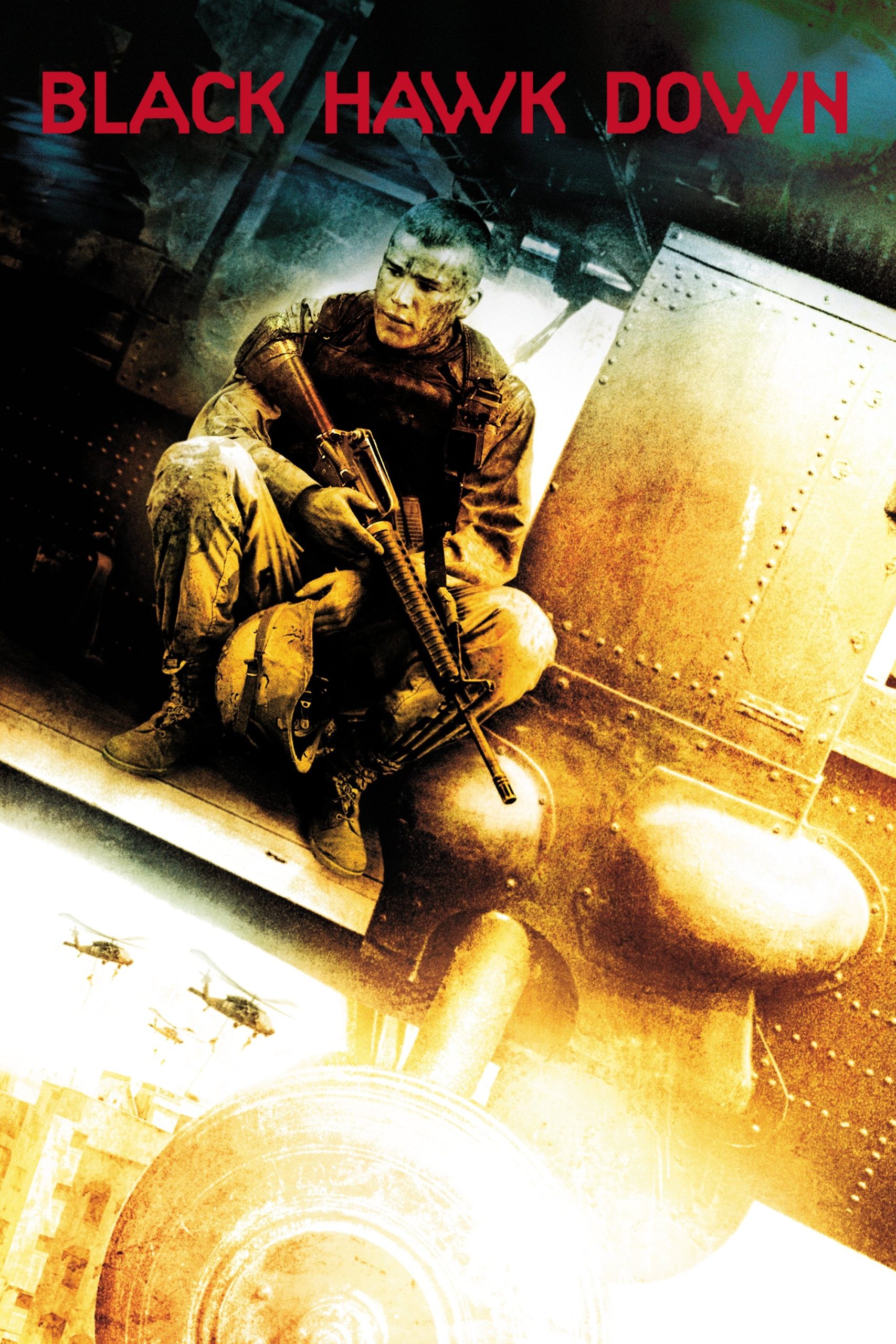
The First-Time Viewing Experience
My memory of first watching “Black Hawk Down” sometimes returns with the clarity and suddenness of a breaking thunderstorm. I recall sitting, almost bracing myself, as the opening scenes unfolded—not just attentive, but keenly alert, drawn in by a strange sense of unease and anticipation. For me, the film didn’t waste time giving me room to settle; it hustled me into a world that felt at once real and surreal, the boundaries between documentary and drama blurring with every moment. The immediacy of the camera, the tightly wound tension, the urgent faces of actors who disappeared seamlessly into their helmets and gear—it all combined into an experience that felt immersive, unapologetically intense, and even overwhelming at times.
What struck me most wasn’t necessarily the specifics of military combat or history, but how quickly I felt stripped of distance. By the time the fateful mission launches, I remember my hands curling unconsciously, my breathing slowing or speeding alongside the action. This wasn’t a war story held safely at arm’s length. Instead, it set me down in a world of abrupt decisions, of young men thrust into circumstances that would test the outermost limits of human resolve. There was a constant hum of danger: every alleyway, every sound beyond the screen seemed charged with threat. For a first-time viewer, the effect is both electrifying and unsettling—an urgent reminder of how thin the line between order and chaos can become.
At the same time, as the story found its pace, I felt my expectations tugged in competing directions. I’d anticipated a film about triumph or defeat, but what I received was smaller and more complex—the kind of storytelling that fixates on the ordinary acts of bravery and fear that pile up minute by minute. I found myself caring unexpectedly, not for strategies or outcomes, but for glances exchanged between characters, for fleeting moments of humor or humanity tucked amid the devastation. As someone new to “Black Hawk Down,” what made the experience distinct was a sense of being genuinely caught off guard by how relentless, claustrophobic, and sincere the movie felt. It asks for patience and vulnerability from first-time viewers, whether or not they think of themselves as “war film” people.
That honesty—the film’s refusal to romanticize, to let me off the hook or reassure me that all will be well—is what I remember most clearly. Watching today, in a world that has since seen new wars and shifting views about intervention, I feel that the film’s emotional punch remains undiminished. Its sounds and images still linger after the credits; I’ve talked with friends for days about the paradox of heroism, the costs of decisions, the ache of powerlessness. First-time viewers, even with no background in the history it depicts, often find themselves stepping quietly away from the screen, aware that something profound has just swept past them. “Black Hawk Down” left me not just moved, but changed, and I sense it will do the same for others who approach it for the very first time.
Emotional Moments That Resonate
One of the most startling things I noticed as I watched was how deftly the film bypasses sentimentality while still tugging fiercely at the heart. There are no soaring speeches or choreographed moments of victory here—just fragile, beautiful fragments of hope and heartbreak, tucked between scenes of chaos. For me, the strongest emotional moments came not from the spectacle, but from the small and fleeting: the way Sergeant Eversmann (played with disarming honesty by Josh Hartnett) tries to project calm strength to his nervous team, even as his own collar tightens with anxiety; the wordless ways soldiers communicate trust or fear; the palpable loneliness of being far from home in desperate circumstances.
A scene that haunted me involves a stray photograph—something so everyday, so apparently inconsequential—found in the pocket of a fallen comrade. For a few quiet seconds, I was reminded of the simple, personal hopes that people carry into war: reminders of someone waiting back home, the ache of unfinished stories. These glimpses into interior lives gave the film its resonance for me; they made chaos deeply personal. Nothing felt more powerful than moments of connection in the midst of disorder. There’s a point when two soldiers pause to share a candy bar, hands trembling—not out of hunger, but out of desperate need for normalcy. I realized then how these small gestures became lifelines, reminders that dignity and care can persist even in the ruins of order.
Even more wrenching, for me, was the sense of collective endurance: watching characters risk themselves for each other, even when the logic of the mission crumbles. The repeated choices to turn back, to refuse abandonment, shook me. The film’s kinetic style—shaky cameras, abrupt editing—simulated the disorientation I imagined must be present in real battle, but what pierced me was something stiller, more quiet: the resolve etched into the actors’ faces, the silent communications that speak of brotherhood and loyalty and fear. At times I wanted to look away from the violence, but I found myself just as drawn to the faces of those left behind—locals and soldiers alike—conveying the confusing aftermath of such conflict.
There is grief, yes, and a kind of sorrow that lingers long after the battle, but there is also an understated respect, even admiration, for the capacity to endure. If I allow myself to be open to it, I discover that “Black Hawk Down” is less about spectacle and more about what war exposes within us: courage, yes, but also frailty; resolve, but also doubt. In those moments when a soldier reaches for a friend’s hand, or when a simple “Are you okay?” is whispered across the soundscape of explosions, I was reminded that empathy can flourish, even in the most inhospitable ground. These are the notes that ring truest for me, and I suspect they will echo for many modern viewers who watch the film for the first time.
How to Appreciate This Film Without Prior Knowledge
One thing I immediately recognized about “Black Hawk Down” is how generously it welcomes those of us without a background in military history, tactical jargon, or even interest in war films. I didn’t come to it armed with extensive knowledge about Somalia’s civil war, nor did I have expectations about its accuracy or faithfulness. Instead, what rewarded my attention was the film’s ability to make confusion a virtue—to let me feel some measure of the very bewilderment and urgency the characters themselves endure. It doesn’t so much explain as it immerses. While the screenplay references names, acronyms, and strategies, I quickly realized that full comprehension was less important than emotional investment. I learned to follow expressions, physical cues, and the rhythms of panic or hope.
I think this quality makes the film a rare piece: it trusts newcomers to find their own way through the story, inviting us to pay attention to tone, gesture, and atmosphere rather than demanding symbolic knowledge or specialized expertise. There were moments when I wished to know more—Who was in command? What, exactly, was at stake?—but in time, I found myself letting go of the need to be an expert. The story became clearer on a more universal, human level. I recognized the shock of sudden loss, the longing for home, the ways people steel themselves in the face of certainty and doubt. The questions became more about motivation—why one would act, sacrifice, cope—than about tactics or history.
If I could reassure another newcomer, I’d say that “Black Hawk Down” works as an emotional experience first and foremost. I didn’t have to keep track of every name or role to care deeply about the outcome. The faces—muddy and haunted—became familiar simply through repetition, gesture, and urgency. At a basic level, the film asks little of us beyond empathy and attention. It does not require allegiance, nor even agreement with its outlook. The opportunity to watch these events unfold through the camera’s unflinching gaze is its own form of initiation. I found that the less I worried about “understanding everything,” the more profoundly I felt the film’s impact. Like being swept into someone else’s nightmare, I absorbed the urgency whole; the logic was emotional, not technical.
Having spoken with others who approached the film blind—unfamiliar with its source material or politics—I’ve come to believe that its greatest strength is its inclusivity. The sense of “being there,” of tasting uncertainty and adrenaline with the characters, doesn’t require research or foreknowledge. It’s an invitation to witness, and to witness is to risk being changed. That, I think, is the gift this classic gives to first-time viewers today: an experiential, human core that makes all the difference.
Who This Film Is Best Suited For
- Viewers who crave emotional honesty in cinema, regardless of genre
- Those curious about the psychological costs of conflict and leadership under pressure
- Anyone ready to witness—and feel—the universal themes of courage, loss, and solidarity
A Beginner’s Final Recommendation
If I had the opportunity to speak directly to someone contemplating their very first viewing of “Black Hawk Down,” I’d offer gentle encouragement. Jump in, even—especially—if you think this isn’t “your kind of film.” My own surprises came from lowering my guard: allowing myself to be swept along, letting the visceral energy carry me through without demanding every detail line up neatly in my mind. I discovered that the film rewards attention not through clear-cut answers or easy emotional payoffs, but through persistent, understated truths: the bonds that form under fire, the strength and heartbreak that coexist in uncertainty, and the small acts of grace and courage that never make headlines.
You do not need to prepare by reading lengthy articles or brushing up on military history. It’s not about being an expert on tactics or geopolitics; it’s about stepping into another world for two absorbing hours and being open to what you find there. I’ll admit that I felt tension and discomfort, but those feelings were necessary—they forced me to examine my own relationship to courage, fear, and loss. What I found, in the end, was a kind of beauty: the beauty of perseverance, of friendship under fire, of the very real struggle to remain human in a world that sometimes demands the impossible.
For newcomers, I recommend watching “Black Hawk Down” with an open heart and time afterward to reflect. It’s the kind of film that lingers, starting new conversations in its wake: conversations about duty, sacrifice, the unpredictability of life, and the ways we find meaning even in the most trying circumstances. If you seek out films that challenge, move, and shake you, I cannot imagine a more compelling place to begin. This is not a movie that asks for blind admiration; instead, it offers itself honestly, asking only that you witness its story and consider which parts resound for you. My own time with “Black Hawk Down” is not something I’d trade; I believe your first encounter with it will offer a similarly urgent, unforgettable experience.
To understand whether timeless appeal still resonates today, modern reassessments are worth exploring.
🎬 Check out today's best-selling movies on Amazon!
View Deals on Amazon