Why This Film Is Beginner-Friendly
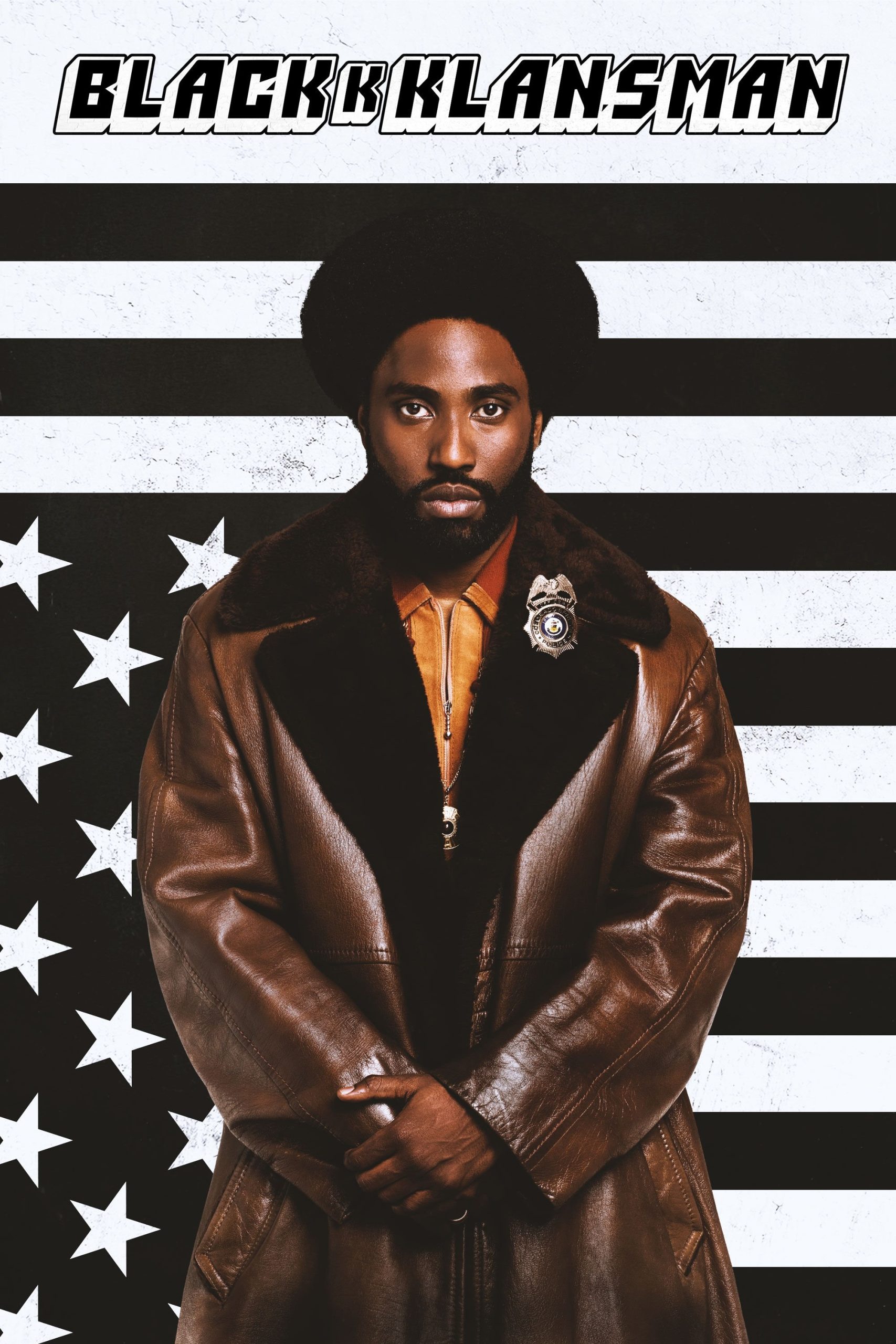
When I first sat down with BlacKkKlansman, I was expecting something heavy, maybe even intimidating, because of its subject matter and reputation. What surprised me was how inviting it felt, especially for someone like me who wasn’t entirely comfortable with so-called classic films. Even though it’s relatively new compared to the black-and-white classics, I discovered that its style and themes already put it among movies that people will revisit for years with admiration and curiosity. The film instantly pulled me in with its blend of suspense and humor, using modern touches in both dialogue and visual style that felt completely approachable. I never felt shut out by arcane references or dated visuals. Instead, I got swept along by striking characters, crisp pacing, and scenes that made me feel the tension and absurdity of the story firsthand—no film studies background necessary.
What really stood out to me was how BlacKkKlansman bridges the gap between older movie traditions and current events. I noticed familiar storytelling tools—like narration, dramatic irony, and dynamic camera work—but seen through Spike Lee’s playful, urgent lens. It’s a movie that invites first-timers to witness the past and the present colliding, all within a story that feels honest and immediate. I didn’t need any deep knowledge of 1970s history or vintage cinema tricks to follow what was happening. The language is clear, the characters are vivid, and there’s a modern energy that makes it hard to look away. I think the film’s accessibility comes from this lively mix of past and present: it feels classic and urgent all at once. It made me realize that starting with more recent classics like this could be the best way to ease into the world of older masterpieces.
What to Know Before Watching
- BlacKkKlansman is set in the 1970s, and although it’s shot with a modern sensibility, there are times when I felt the visual tone and pacing echo that earlier period. The costumes, cars, and language all reflect that era, so I tried to just let myself soak in those details rather than question every reference.
- Spike Lee, the director, is famous for blending real history with cinematic flourishes. I noticed that the film sometimes uses a slower build-up than many new blockbuster films. Some scenes pause to let me sit with the characters’ emotions or to emphasize a particular point—definitely a shift from the relentless energy I’m used to in recent releases.
- For a film that’s part undercover thriller and part social commentary, I didn’t expect to laugh as much as I did. There are moments of sharp wit dropped into serious situations. Some viewers (and I was one of them at first) might find the tonal shifts surprising or even jarring, but I came to realize this was one of the ways the film kept me engaged and thinking.
- The film makes frequent references to real-life events and figures, but I didn’t feel lost; it gave me just enough context to stay focused. Still, there were a few scenes where I felt the full weight of the story only after reading a bit more about the historical backdrop. I’d recommend being ready for possibly wanting to look things up—or just enjoy the ride and reflect afterward.
Key Things to Pay Attention To
Whenever I revisit BlacKkKlansman or recommend it to others just getting into classic films, I always think about how much there is to notice beyond the surface action. For one, I found it impossible not to be drawn to the two leads—the way Ron Stallworth and Flip Zimmerman navigate their undercover roles is both riveting and laced with personal struggle. I learned early on that focusing on their expressions, body language, and the little details in their conversations made the story richer. Beyond just trying to keep up with plot twists, I really paid attention to when characters were holding back or when they revealed their true selves, sometimes in the smallest of gestures. To me, this movie is an excellent introduction to how actors can say so much without words.
Another thing that caught my eye, even as a beginner, was the use of music and how it set the mood. There’s something about the way certain tracks swell or drop out entirely that gave me chills, or sometimes made me laugh harder than I expected. For someone starting out, I’d say watch for how music tells its own story alongside the visuals—it’s a taste of how many classic films create atmosphere without ever saying a word.
The visuals themselves are worth a close look; I was surprised by how much meaning Spike Lee packs into staging, framing, and color. Even if you’ve never watched an older movie, you’ll notice moments when the camera lingers with intention, like when two characters stand in silhouette or a close-up lets you peer right into a character’s doubt or fear. Picking up on these cinematic choices, even if you’re not sure exactly what they’re called, can unlock a lot of what makes watching classic films so rewarding. And finally, the humor and tension—how they play off each other—makes for a unique viewing experience. I found myself wondering at first if it was okay to laugh, but then I realized that the surprise is part of the film’s special charm.
Common Misunderstandings for First-Time Viewers
- Misunderstanding 1 – Thinking the film is only about racism in the past. I certainly made this assumption when I started watching, but it quickly became clear that the movie aims to reflect ongoing themes in society. I realized it asks us to look at both past and present, connecting the dots without ever feeling preachy.
- Misunderstanding 2 – Believing the story is all about the “big moments.” At first, I found myself waiting for something dramatic to happen every few minutes, the way action movies have conditioned me. But I soon saw that a lot of the story happens in quieter scenes—glances, pauses, private conversations. Once I tuned into these subtleties, the film opened up for me.
- Misunderstanding 3 – Assuming you need to know a lot of history to enjoy the film. I worried that I’d miss out due to not being an expert on the 1970s or the civil rights movement. But the movie gave me enough to work with, and even made me curious enough to read up later without ever making me feel left out.
Is This a Good Starting Point for Classic Cinema?
After seeing BlacKkKlansman, I felt genuinely excited to dive deeper into classic cinema. The movie gives newcomers like me a bridge between what’s happening in the world today and the ways older films comment on history, politics, and human nature. I think its modern pacing and unforgettable performances make it an especially welcoming pick for someone who is just beginning to explore films that will stand the test of time. I never felt talked down to or lost; instead, I was pulled into a story that felt vivid and current, while still hinting at the richness of classic filmmaking traditions. Watching this film made me realize that exploring “classics” doesn’t have to mean jumping straight into older, less familiar territory—you can start with something recent and relatable, then work your way back. For me, BlacKkKlansman became the perfect launch pad, opening up curiosity without intimidation. If you’re nervous or unsure about tackling classics, this film creates a welcoming doorway. It’s a smart, energetic introduction that shows how powerful and personal classic cinema can feel, even to a complete beginner.
If you’re wondering how this film compares to others that have stood the test of time, these may help.
🎬 Check out today's best-selling movies on Amazon!
View Deals on Amazon