
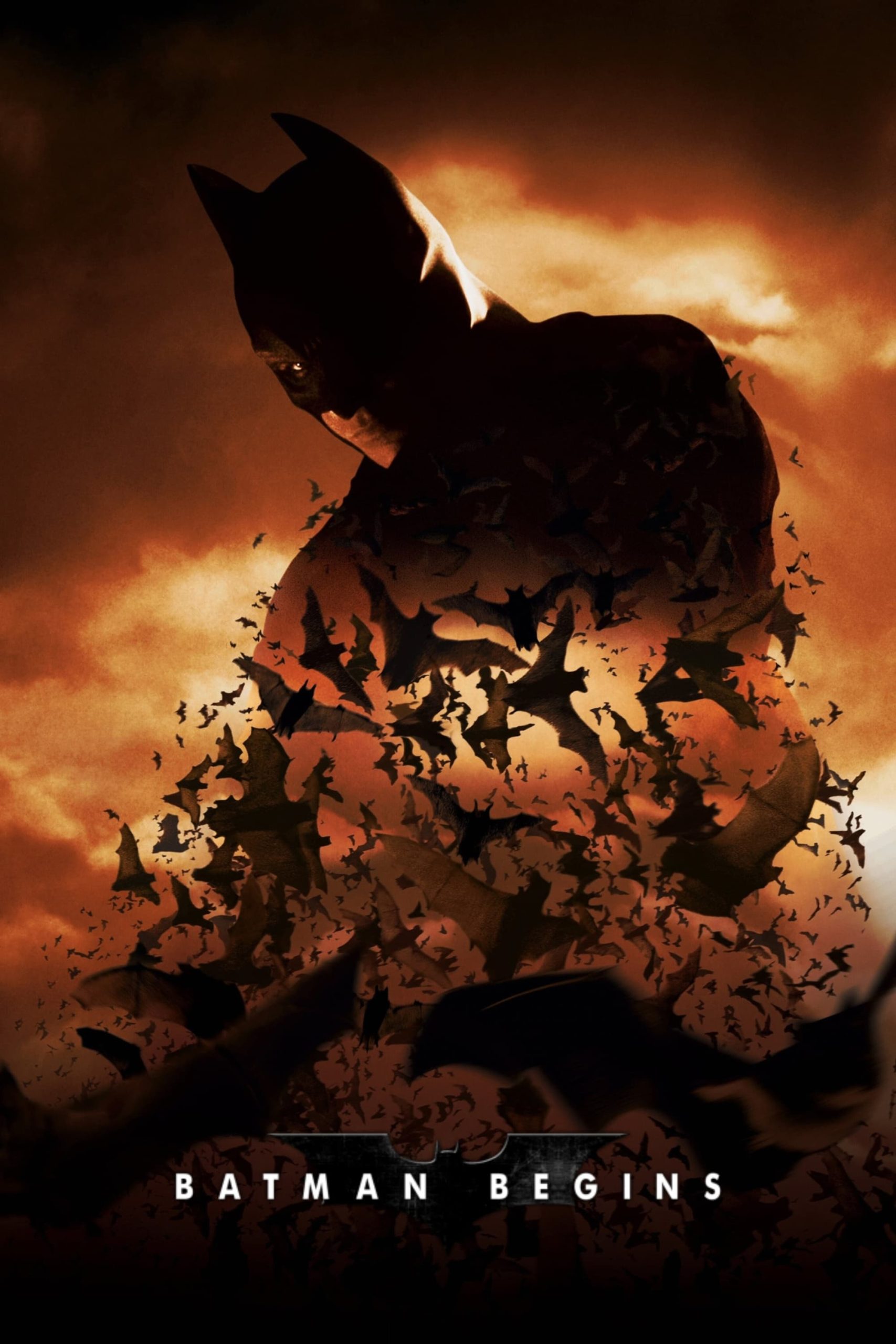
The First-Time Viewing Experience
Even before the opening credits faded for me, I felt something shift inside—a kind of quiet exhilaration mixed with reverence. When I first sat down to watch Batman Begins, I didn’t bring decades of comic lore in my back pocket, nor was I especially invested in superhero movies at the time. What struck me immediately, and what continues to linger in my mind, is how the film breathes with a sense of possibility. I expected capes and gadgets, sure, but I quickly discovered so much more: an atmospheric invitation into fear, doubt, renewal, and hope. It was as though the film offered a compelling promise—come, if you will, with no prerequisites or passwords, and step into a world that is at once intimate and immense.
My first viewing unfolded as a kind of initiation, not into the Batman mythos per se, but into the raw vulnerability of a man haunted by loss and led, almost reluctantly, into heroism. The visuals were striking—misty alleyways, shadows embracing bruised cityscapes—but it was the internal landscape of Bruce Wayne that pulled me in. With every flicker of hesitation in Christian Bale’s eyes or weary resolve in Michael Caine’s quiet stewardship, I felt gently led through Gotham’s labyrinth of despair and possibility. If you, like me, walk into this film expecting only escapist thrills, don’t be surprised if you find yourself deeply invested in something far richer and more personal. I was constantly surprised by how immediate and real the film’s emotions felt, even filtered through the heightened style of a superhero origin story.
What makes this work so well for a modern first-time viewer, I think, is the way Christopher Nolan crafts a narrative that values discovery, both for its characters and its audience. From the icy sweep of distant mountains to the neon-lit chaos of Gotham, every scene pulses with a sense of awakening. I felt almost as if I was re-learning an old legend through fresh eyes, unburdened by familiarity yet resonating deeply with each new turn. My initial doubts about the superhero genre faded away, replaced by a steady, unexpected empathy for a character fighting not just criminals, but also the complicated shadows within himself. The sense of watching a myth come alive, layer by painstaking layer, was both humbling and strangely empowering.
Emotional Moments That Resonate
Even weeks after my first watch, certain scenes continue to echo in my thoughts and, at times, my heart. When Bruce Wayne stands, broken by grief in the cold light of his childhood trauma, I felt a surge of empathy I didn’t anticipate. There’s a specific tenderness in those pivotal early moments—the way he clings to the memory of his parents, the crushing sense of guilt and helplessness. The film doesn’t use these moments for cheap sentiment. Instead, it dwells, quietly and respectfully, on the question of how we slowly rebuild ourselves in the wake of profound loss. I remember feeling the rawness of that pain—a familiar, utterly human ache—tempered only by the gentle guidance of Alfred’s wisdom. When Michael Caine’s Alfred delivers lines with a fatherly softness, promising to never give up on Bruce, I found myself breathing easier, reassured that in even the darkest times, compassion matters.
Another moment stayed with me—the infamous “Why do we fall?” refrain, whispered gently yet urgently between Alfred and Bruce. In that simple, almost offhand exchange, I saw the entire philosophy of the movie condensed into one question: How do we endure failure and find the nerve to get up again? The words felt relevant, maybe even more so now, in a world that often celebrates quick fixes and superhuman resilience. To see a hero crafted not in perfection, but in perseverance, was unexpectedly moving. I thought about my own setbacks, the repetitive cycles of trying, failing, and persisting, and felt strangely comforted. Nolan’s film reminded me that courage is not the absence of fear, but the resolve to rise in spite of it.
The emotional turning point for me came with the forging of Bruce’s new identity—not just donning the costume, but the trembling uncertainty beneath each mask. I saw a man searching for purpose, plagued by doubt, and ultimately stepping out into the unknown. Bale’s performance crackles with the tension of a person caught between worlds—lonely but determined, wounded yet hopeful. As the narrative unfolded, I realized how intimately the film explores identity—not as a static achievement but an act of continual creation. There was a quiet, steady promise within the action: you can reinvent yourself, however imperfectly, in the face of despair. During my first viewing, that idea felt revolutionary and healing.
Finally, there’s a breathtaking moment toward the film’s end, where hope flickers back into Gotham’s wounded heart. The city’s fate hangs in the balance, and yet, beneath the orchestrated chaos and fast-paced sequences, the film never loses sight of what’s truly at stake: the souls of ordinary people, longing for redemption and justice. I remember feeling, quite unexpectedly, a sense of uplift—not because evil is vanquished for good, but because someone, despite every reason to succumb to fear or cynicism, chooses to try. For me, these roots of hope—shaky, stubborn, profoundly sincere—are what grant Batman Begins its enduring power with new viewers.
How to Appreciate This Film Without Prior Knowledge
If, like me, you worry that stepping into such an iconic story requires some encyclopedic knowledge of comics or past adaptations, let me put your mind at ease. When I watched Batman Begins for the first time, I brought little more than a vague awareness of the Batman name. The film’s genius, in my experience, lies in its accessibility. Whether you’re a longtime devotee of superhero tales or a complete newcomer, the narrative welcomes you. I felt included from the beginning—no allusions flew over my head, and every motivation, quirk, or symbol was organically introduced through character, not exposition. I was pleasantly surprised how naturally the film teaches you the rules of its own world without pausing the story to lecture you.
For me, the technical mastery and thoughtful world-building stood out equally to both the novice and the seasoned fan. The film wears its influences lightly; I never felt a gatekeeper’s hand pushing me out or demanding that I catch hidden references. Instead, I was urged to care about Bruce Wayne as a person, to chart his education and heartbreak, to invest in his ethical quandaries. The classic iconography—the Batmobile, the cowl, the growl—emerged as organic extensions of a story that values personal growth over pop-culture spectacle. I found myself enjoying this approach, free to focus not on what superhero lore I might be missing, but on the slow, careful unfolding of a human journey. There were moments I paused just to absorb the film’s meticulous attention to mood and character detail, feeling liberated by how rarely I felt out of my depth.
If you are, as I was, approaching Batman Begins completely fresh, trust that the film’s emotional journey needs no prerequisites. The origin story is rendered with such intuition and empathy that I felt instantly connected, not to an emblem or icon, but to a flawed person struggling to find meaning in a fractured world. For me, the deepest pleasures came not from spectacle or nostalgia, but from a slow, immersive awakening to the demands—and the victories—of choosing to fight for something larger than oneself. The themes of fear, forgiveness, and resolve are, in my view, deeply universal and resonate even if you know nothing of Gotham City or its history. My experience proved that all you need is an open mind and a willingness to be moved by one person’s journey from brokenness to bravery.
Who This Film Is Best Suited For
- Those who seek cinematic stories about renewal and personal growth
- Viewers drawn to emotionally intelligent action films that favor character development over mere spectacle
- Individuals exploring classic superhero tales for the first time, especially if they appreciate themes of loss, hope, and resilience
A Beginner’s Final Recommendation
Every time I talk to someone hesitant about watching a classic film, especially one as foundational as Batman Begins, I’m reminded of my own first encounter. I remember feeling uninitiated, uncertain if I would “get” what all the fuss was about. Yet by the end, I emerged not just entertained but genuinely moved. What struck me most was the film’s ability to transcend genre trappings; it’s not simply a Batman story, but a compassionate meditation on fear, forgiveness, and the ways we choose to shape our lives when confronted with overwhelming odds. When I finished watching, I couldn’t shake the sense that the real heroism lay not in the costume, but in the quiet, everyday courage to begin again after loss.
If you’re standing at the threshold, wondering if this film will speak to you, I encourage you to take the plunge. Don’t worry about expertise or keeping up with pop culture references—just trust that the story will guide you where you need to go, as it did for me. Let the film’s sincerity carry you through the brooding atmospheres and somber moments; let yourself empathize with Bruce’s struggle to rebuild meaning out of chaos. I truly believe that watching Batman Begins with fresh eyes is not merely about seeing a new take on an old legend—it’s an invitation to examine how hope flickers even when our worlds feel darkest. My own first experience with this film made me a believer in the power of vulnerable storytelling, and I left feeling quietly empowered to face my own fears, however unremarkable they seemed by comparison. That, to me, is the real gift that awaits new viewers: a sense of companionship, of shared striving, and of permission to begin again no matter where you start.
To understand whether timeless appeal still resonates today, modern reassessments are worth exploring.
🎬 Check out today's best-selling movies on Amazon!
View Deals on Amazon