Why This Film Is Beginner-Friendly
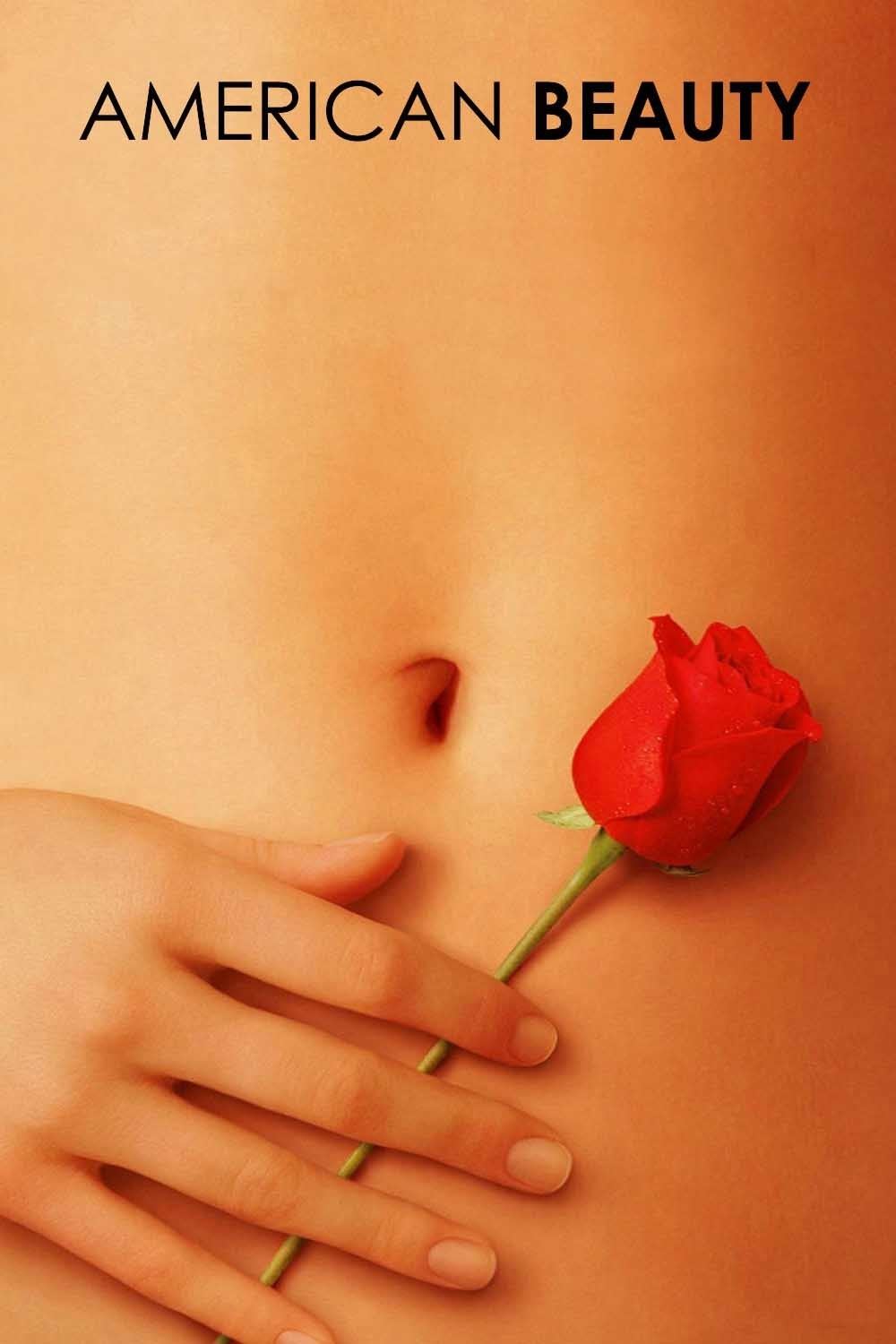
The first time I saw “American Beauty,” I felt like I’d stumbled upon a secret conversation about the everyday routines so many of us just accept. I remember being nervous about jumping into something called a “classic”—would it feel distant or out of touch? But this film put those worries to rest for me. What made it so approachable was the way it focused on the small details of ordinary family life, which felt oddly familiar, no matter which era you call home. The language is modern, and the setting is just an average suburban street—nothing about it seemed too ancient or academic for me to understand.
I think what engaged me right away was its honesty: the film doesn’t talk down to its audience or try to show off with confusing film techniques that only scholars could love. It brings up major questions about happiness, identity, and the desire for meaning in a way that feels honest and direct—sometimes even funny, often deeply awkward, and always accessible. So if you’re new to films that are called “classics,” but you worry they’ll be stuffy or slow, my experience with “American Beauty” showed me you don’t need a film studies degree to appreciate what’s going on. The characters act like real people with real problems, and their struggles are things I’ve seen in my own life. It’s a great movie if you want to start your journey into classic films with something that speaks the everyday language of modern life.
What to Know Before Watching
- This movie was released at the end of the 1990s, and there are details that might feel like little time capsules: the home décor, the clothing, even the way people use technology. For someone like me, who didn’t grow up in that era, I had to remind myself that some things (landline phones, VHS tapes, or the casual acceptance of certain attitudes) were perfectly normal then.
- The pace of the film surprised me at first. “American Beauty” takes its time, especially compared to the faster, punchier editing of many more recent blockbusters. I noticed there were long, quiet stretches where not much is “happening”—at least on the surface. This is the film’s way of pulling us into its everyday world, letting small gestures and glances communicate just as much as dialogue. It might seem slow compared to something like a Marvel movie, but I found there’s a rhythm to it that gives you space to think and feel along with the characters.
- There are moments in “American Beauty” that are deliberately awkward or even uncomfortable. The movie digs into themes like dissatisfaction, midlife crisis, and longing, and it isn’t shy about showing characters in unflattering or conflicted situations. The film’s dark humor can sometimes feel jarring if you’re expecting a straightforward drama or a lighthearted comedy. For me, the mix of comedy and melancholy was refreshing, but I would suggest being prepared for abrupt switches in tone.
Key Things to Pay Attention To
Every time I return to “American Beauty,” I find myself drawn first and foremost to the characters. The film introduces us to people with hidden depths, secrets, and inner struggles. I focus closely on how each character tries—or fails—to express what they really want from life. Notice the small, almost invisible ways people communicate: a forced smile during a family dinner, a tense glance across the table, or the awkward pauses in conversation. I think this movie invites new viewers to watch for what isn’t being said, as much as what is.
Visually, I always appreciate how the film uses color and everyday objects (especially those striking red roses!) to create meaning and mood. Even though I’m not an expert in cinematography, it’s hard to miss how attention is drawn to certain items or gestures. I recommend keeping an eye out for repeating images—like the red petals or the symmetry of the tidy lawns—because these details quietly hint at bigger themes: desire, perfection, and beauty hiding beneath the ordinary surface.
Emotions run high through most of the story, but what moved me most was the mix of sadness, yearning, and humor. The tone can shift quickly—from something poignant to something absurd—which for me made the whole experience feel more like real life. Try listening for the way music and silence are used in key scenes; the soundtrack often says as much as the dialogue does. If you’re tuning in for the first time, I think it helps to watch with an open mind and let yourself have whatever emotional reactions come up, whether that’s laughter, discomfort, or even confusion. These feelings are exactly what the movie is designed to provoke.
Common Misunderstandings for First-Time Viewers
- Misunderstanding 1 – Some people I know expected clear-cut heroes and villains in the story. I made the same mistake on my first viewing, wondering which characters were “good” or “bad.” But I learned that “American Beauty” isn’t about easy answers—all the characters are flawed, even the most likable ones. For me, the value came from watching the messy, complicated mix of motivations rather than picking a side.
- Misunderstanding 2 – I once assumed the film would be just a takedown of suburban life, a kind of satire where everyone is miserable and hollow. What surprised me was how much empathy is shown to the characters, even as their choices are sometimes embarrassing or wrongheaded. I see “American Beauty” not as a cold condemnation, but as a strangely warm and even funny portrait of people trying (and sometimes failing) to find happiness.
- Misunderstanding 3 – At first, I thought the title must refer only to physical beauty—the kind you see on magazine covers or in advertising. Watching more closely, I now see that “beauty” in the film means something much deeper: moments of honesty, unexpected connections, or the wonder in ordinary things. I’d encourage any new viewer to look for the hidden beauty in even the most everyday scenes, just like the characters try to do.
Is This a Good Starting Point for Classic Cinema?
If you’re dipping your toes into classic films and want to start with something that isn’t intimidating or “old-fashioned,” my personal advice would be to give “American Beauty” a shot. When I began my own journey into movies that critics already consider modern classics, I felt nervous about getting lost in outdated references or artistic flourishes that felt over my head. But this film doesn’t require you to brush up on film history or know famous directors by name. Instead, it captured my attention with raw, relatable performances and a story that feels relevant even decades after it came out. I think it’s the kind of film that makes you curious about what other classic movies can offer—not with elaborate special effects, but with honest, unflinching storytelling.
Even though it deals with difficult themes and complex emotions, I found the movie’s humor and sincerity kept it from ever feeling too heavy or hopeless. It’s grounded, funny in surprising places, and visually interesting without being showy. I noticed that many of my friends who never considered themselves “cinephiles” clicked with the film’s gentle invitation to look beneath the surface of everyday life. For me, this approachability makes “American Beauty” an excellent gateway for anyone who feels uncertain about where to begin. If you want a first experience that feels both thoughtful and watchable—with characters who could live on your street—this is one I’d truly recommend.
If you’re wondering how this film compares to others that have stood the test of time, these may help.
🎬 Check out today's best-selling movies on Amazon!
View Deals on Amazon