
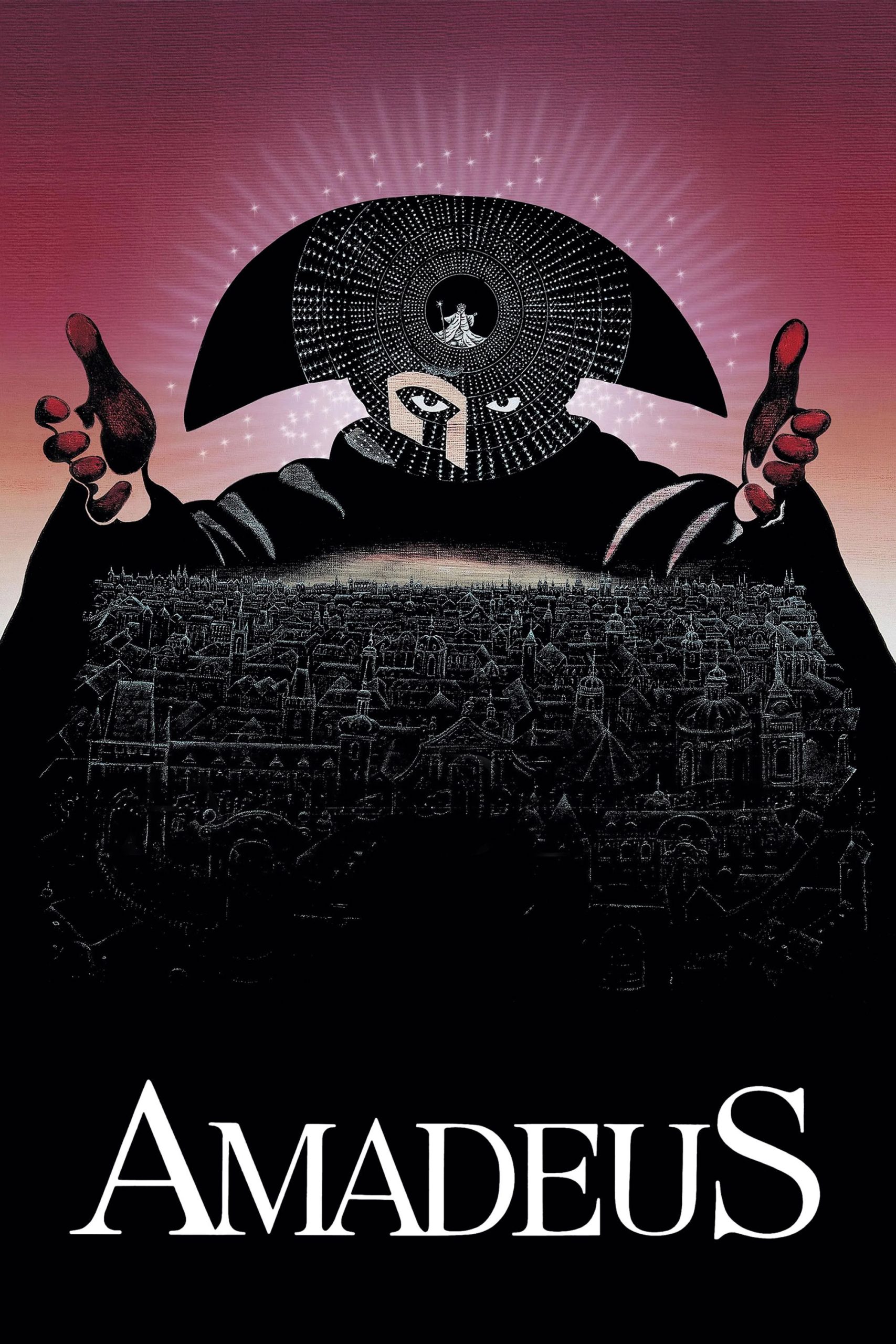
The First-Time Viewing Experience
When I first sat down to watch Amadeus, decades after its original release, I was instantly swept up by how much the film seemed to exist outside of time—simultaneously lush and intimate, dramatic yet slyly playful. There was a gentle strangeness to encountering this storied classic for the very first time after hearing too many people describe it as “the Mozart movie.” What I actually experienced was far richer, and most of all, profoundly human. The world of 18th-century Vienna felt impossibly alive, as if I could reach out and brush the powdered wigs and candlelit velvet coats. Every frame shimmered with vitality. Even with no background in classical music, I felt overwhelmed—amazed at the way music poured through every moment, not just as background but as a living force that shaped every relationship, ambition, and betrayal that unfolded on screen.
What surprised me most as a first-time viewer was just how much the film revealed about longing and envy, not just genius. I expected opulence, certainly, and the lushness of Milos Forman’s direction never disappointed. From the very first scene, though, I felt plunged into the head and heart of Salieri. Here was a man, painted not as a villain but as someone agonizingly aware of his own mediocrity, standing in Mozart’s shadow. I remember how sharply I identified with that raw ache, the deep human urge to be recognized and the sting of falling short. I wandered through the film and thought: So this is how it feels to witness genius, to be dwarfed by it, and to admire and resent it all at once.
There’s a certain thrill in discovering how modern the film feels, in its psychological innuendo and humor. I laughed at Mozart’s giddy vulgarities; his playfulness felt unexpectedly fresh, almost anachronistic, and yet utterly believable. I found myself leaning in, mesmerized by the shifting tones—one moment drawn into the swirling euphoria of an opera, the next cringing at a barbed comment tossed in a candlelit salon. As a newcomer, I was often caught between delight and discomfort, unsettled by how the story kept asking me to empathize with the “villain” and then casting doubt on who that truly was. The entire experience felt vibrant, sensual, and often, remarkably raw.
Above all, what defined my first viewing was an unfolding sense of intimacy. Rather than distant historical figures, the characters pulsed with familiar anxieties: the longing for approval, the pain of being misunderstood, the terror of wasted potential. I left that initial viewing with a kind of ache in my chest—the sense that the film’s emotional power hadn’t faded with time but had only deepened. It felt as if I had stumbled into something precious and personal, a secret conversation about what it means to strive and to falter, set to the transcendent beauty of Mozart’s music.
Emotional Moments That Resonate
Some scenes in Amadeus stayed with me long after the credits rolled. The most haunting by far, at least for me, is the scene late in the film when Salieri sits beside a dying Mozart, desperate to extract the last drops of musical genius by helping him notate the “Requiem.” I remember how my heart raced, caught up in the feverish rush of creativity mixed with tragedy. There was something so tender—and so heartbreaking—about watching Salieri, a man tormented by his own limitations, guiding Mozart’s shaking hand. In that moment, I felt both empathy and dread, the intensity of inspiration mingling with the darkness closing in. It’s a breathtaking portrayal of artistic drive, obsession, and mortality, and I could sense how little time was left for both men.
Another moment that pulled at me emotionally came much earlier, during the salon scenes where Mozart tries desperately to win approval for his new musical ideas but is met with polite dismissal and shallow flattery. There’s an aching loneliness beneath all the sparkling laughter and powdered banter, especially when Mozart realizes the very people he needs to please will never understand him. I felt a wave of empathy for Mozart’s childlike arrogance and his desperate vulnerability. I recognized that urge to be celebrated for one’s true self and the crushing disappointment when that recognition never comes. It reminded me of how difficult it can be, even today, for creativity to find its place in a world that prizes conformity.
But what lingered for me most, emotionally, was the ambiguous relationship between Salieri and God. As someone who has often struggled with faith, doubt, and the search for meaning, I was struck by how the film transforms jealousy into a dialogue with the divine. The scenes where Salieri pleads, rages, or bargains with God don’t feel antiquated; if anything, they speak directly to that timeless aspect of being human: the urge to ask why. Why are some people gifted, and others left yearning? When Salieri renounces his faith out of anguish and disappointment, I was surprised by how much I recognized myself in his bitterness—yet also in his persistent hope that maybe, just maybe, he would be chosen. The film’s emotional honesty resonated deeply and made me reflect on my own longings.
Amadeus never let me settle into one simple feeling. I found myself laughing at moments of pure absurdity—Mozart’s high-pitched, giddy giggle; the bawdy humor that made even the grandest events feel earthy and immediate. And then, as quickly, I tumbled into sorrow, especially as Mozart’s world grew smaller and colder, his genius burning out while those around him recoiled. The bittersweet beauty of the music was matched only by the sense of something precious slipping away. These emotional highs and lows made the experience unforgettable.
How to Appreciate This Film Without Prior Knowledge
I confess I entered my first viewing of Amadeus feeling at a disadvantage, a bit intimidated by its reputation as an “art film” or a demanding period piece. I needn’t have worried. For anyone who has ever felt unsure about classical music or history, I can say with perfect honesty: appreciation for this film does not require expertise. What I discovered, to my delight, is that the movie is wonderfully accessible. The filmmakers draw from feelings and fears that are instantly recognizable, regardless of time, place, or background.
I was barely familiar with Mozart’s biography or music beyond a few recognizable melodies, but that didn’t matter. The story’s heart beats in the rivalry, the hunger to create something beautiful, and the pain of not being seen. I found my way into the film not through technical knowledge, but through emotion. The grandeur of the Viennese court and the intricacies of musical composition are presented visually and dramatically—moments when music swells through the chamber, or an opera bursts to life on the stage felt universally thrilling, not exclusive or esoteric. The film is rich in sensory detail; I simply let the music carry me away and trusted my reactions.
I sometimes tell friends who hesitate before classic films that Amadeus is less about fact and more about feeling. It helps to remember that the story is not a documentary—it’s a dramatic, almost mythic exploration of envy and genius, loosely inspired by real lives but shaped into something far bigger than the sum of its biographical parts. I took pressure off myself to “understand” everything perfectly and discovered that the magic resides in how the film circles around its themes. Scenes of humor, heartbreak, and betrayal made the period setting instantly relatable. Every character, from the haughtiest aristocrat to the most desperate composer, radiates emotional truth that felt close to home.
And the music itself—there’s no need to be a scholar to feel its impact. On my first viewing, I was amazed at how naturally I responded, how much the film invites you to simply listen, to be moved. My own lack of formal training actually made the experience purer in a way: I didn’t analyze; I reacted. The soaring soundscapes give voice to feeling so overwhelming that words would only diminish them. Amadeus allowed me to be an audience in the truest sense, guided by curiosity and wonder, not expertise.
Who This Film Is Best Suited For
- Lovers of character-driven drama who are drawn to stories of ambition, rivalry, and longing; those who find themselves transfixed by conflicted, vividly human protagonists
- Viewers seeking genuine emotional catharsis, who appreciate when films delve into the bittersweet complexities of creativity, fame, and the urge for recognition
- Anyone curious about art, music, or history but craving an experience that moves beyond textbook learning to something sensual, powerful, and deeply personal
A Beginner’s Final Recommendation
My strongest advice for new viewers is to allow yourself to be swept along by Amadeus without needing to “prepare” or research. Let the film open itself to you on its own terms. My first experience was shaped more by openness—letting the music, the visual grandeur, and the poignant performances wash over me—than by understanding every historical detail. What I cherish most is how the film invited me to feel: to experience envy, admiration, laughter, and sorrow as if they were my own. The film trusts its viewers, whether or not they come prepared—it draws you in through its emotions, and leaves you richer for it.
If you’re hesitant, remember that everyone watching for the first time brings something unique; your interpretation will be as valid as anyone else’s. For me, the film remains a cherished discovery—not because I “cracked the code” of classical music or understood every nuance, but because I stepped inside a world that made my own questions about art, meaning, and recognition feel visible. My hope is that your first viewing of Amadeus will likewise offer you not just entertainment, but a personal and lasting sense of wonder. I still return to it, years later, and find new echoes every time. Your first encounter may leave you breathless, mystified, or moved to tears. All of those reactions are not just welcome—they’re exactly what makes this classic endure.
To understand whether timeless appeal still resonates today, modern reassessments are worth exploring.
🎬 Check out today's best-selling movies on Amazon!
View Deals on Amazon