
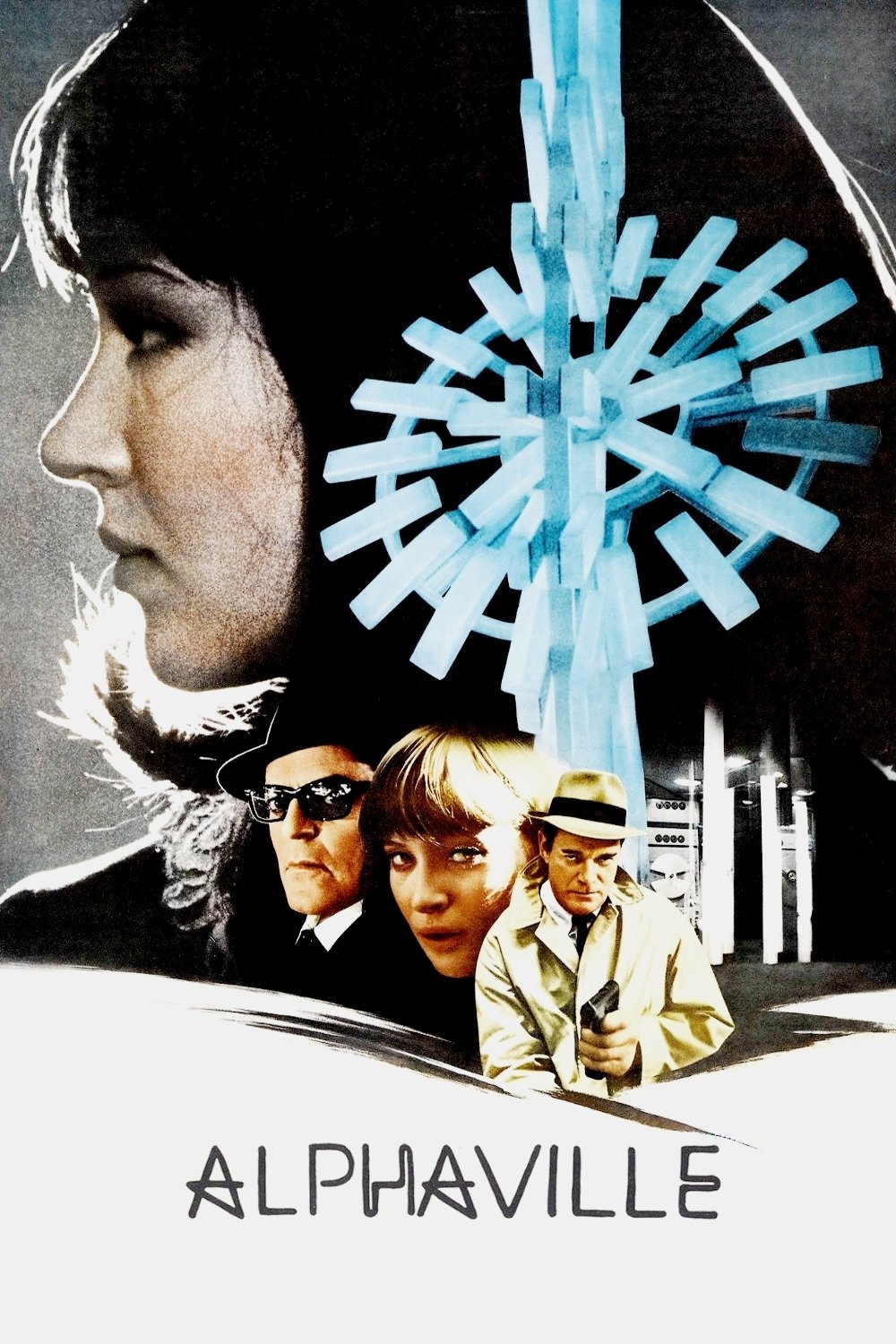
Why This Film Is Beginner-Friendly
When I first watched “Alphaville,” I was surprised by just how accessible it felt compared to some other classic films I’d tried. Even though it’s often grouped with the avant-garde, I actually found it quite grounded and compelling, especially for someone just stepping into the world of black-and-white movies. The storyline, while a bit offbeat, isn’t as convoluted as you might expect from its reputation. I personally loved how it balanced the odd with the familiar, combining film noir detective elements with a surprisingly simple visual style. It didn’t feel like a test of endurance the way some experimental classics can. Instead, I found myself pulled along by the moody lighting, the Helsinki-accented narrator, and a fascinating world that’s both futuristic and oddly familiar. The language is straightforward and the emotional beats are not hard to catch, which is often rare for a film with such a unique reputation. I honestly appreciated how “Alphaville” achieves a kind of charm without demanding a huge leap in knowledge about cinema history or French culture. Even the black-and-white visuals, which can feel intimidating for newcomers, are used here in a way that feels intentional and clear, not murky or distracting. My experience was that the film works best if you go in ready to immerse yourself, not analyze every frame for meaning. This ease of access, even in the midst of a very original setting, made “Alphaville” feel unexpectedly welcoming when I was still new to classic films.
What to Know Before Watching
- “Alphaville” was made in the mid-1960s and directed by Jean-Luc Godard, a filmmaker whose work sometimes feels abstract if you’re not used to his style. You may notice the heavy influence of French New Wave cinema here—jump cuts, unusual storytelling, and a kind of poetic soundtrack.
- The film is slower than a typical action or sci-fi movie. Conversations linger. There are moments of silence and a pace that asks you to be patient. When I first watched it, I had to reset my expectations about how quickly things would move.
- Some aspects, like the use of everyday Parisian settings for a futuristic city, might surprise you. I actually found the absence of flashy sci-fi effects helped focus my attention on the mood and message instead of just visuals. Still, the way characters talk or act may feel odd at first if you’re expecting typical Hollywood behavior.
- Dialogue can sometimes seem cryptic or philosophical, especially during the computer monologues. I was initially caught off guard by the way people recite poetry or make statements that sound like riddles. Still, you don’t need to “solve” every line—sometimes it’s enough to just let the atmosphere wash over you.
- The music and sound design are deliberately jarring at times. There’s an eerie quality to the computer’s voice and to some of the background noises, which may feel unlike anything in current films. My advice is to treat these choices as part of the experience, rather than as distractions.
- Black-and-white imagery is used on purpose, and not because there was no access to color. I found it actually adds to the feeling of being caught between two worlds—the familiar and the strange.
Key Things to Pay Attention To
When I sat down to watch for the first time, I quickly realized that “Alphaville” isn’t about admiring special effects or elaborate costumes—it’s about absorbing a mood and noticing subtle shifts between reality and fantasy. For a newcomer, I’d recommend watching the main character, Lemmy Caution, and the way he reacts to this city’s rules. I found myself drawn to his tough but vulnerable demeanor, and even though he’s often laconic, little gestures or glances revealed a lot about his state of mind. The real heart of the film, for me, was the relationship he develops with Natacha. It’s simple but surprisingly touching in a film that takes place in such a cold, robotic world. I tried to listen for the moments when people seem to break away from the control of the computer, or when they grasp for something human—like sharing a memory or quoting poetry. Godard’s use of light and shadow is something else to watch for: sometimes a close-up holds for just a few seconds longer than feels comfortable, or a background suddenly changes how you feel about a conversation. I always advise first-time viewers not to worry about catching every philosophical reference—instead, I try to soak in the atmosphere. When you notice cars on familiar boulevards or see a real hotel posing as a police station, try to remember it’s all part of a deliberate mix between the real and the imagined. Pay attention to how the city feels oppressive not by being alien, but by being just like our own. For me, these were the little details that brought the experience to life and kept me eager to see what would happen next, even when the narrative became surreal.
Common Misunderstandings for First-Time Viewers
- Thinking the film is simply a science fiction story – I definitely made this mistake myself. While it borrows the visual language of sci-fi, I found its real interest was in ideas about logic, love, and how people resist control. The “technology” is kept vague on purpose, and it’s not the focus.
- Assuming the lack of futuristic sets is a flaw – At first, I thought the use of everyday buildings instead of elaborate sets meant the movie was low-budget or incomplete. Later, it clicked for me that this was an intentional choice by Godard to make the story feel universal and timeless, which actually makes the mood stronger.
- Treating every line as a puzzle – The film includes poetic dialogue and moments of apparent nonsense. I used to get frustrated trying to decode every sentence, only to realize that the language is meant to be felt more than dissected. Once I let go and just listened, I appreciated the movie much more.
Is This a Good Starting Point for Classic Cinema?
I absolutely believe “Alphaville” can be a fascinating and encouraging gateway for anyone new to classic cinema. Rather than feeling like a relic or a homework assignment, I found it genuinely engaging even before I had a broad knowledge of film history. The blend of noir storytelling, poetic language, and understated but powerful performances allowed me to appreciate it without feeling intimidated. It manages to be mysterious without being needlessly confusing, and the emotional core—especially the cautious emergence of human feeling in a cold world—feels relevant even after all these years. When friends ask me where to begin with French cinema or classic movies in general, I never hesitate to suggest this film as an option. It packs in just enough adventure to hold your attention, but also opens the door to a different way of experiencing movies, where mood and philosophy walk hand in hand with suspense. If you’re nervous about older films being too slow, obscure, or out of touch, my experience was just the opposite with “Alphaville.” It encourages you to slow down, but rewards you with a kind of immersive dream logic that’s easy to fall into, even on your first try. For me, it’s proof that classic cinema isn’t just for cinephiles—it can be a welcoming, even thrilling discovery for anyone willing to give it a try.
If you’re wondering how this film compares to others that have stood the test of time, these may help.
🎬 Check out today's best-selling movies on Amazon!
View Deals on Amazon