
Why This Film Is Beginner-Friendly
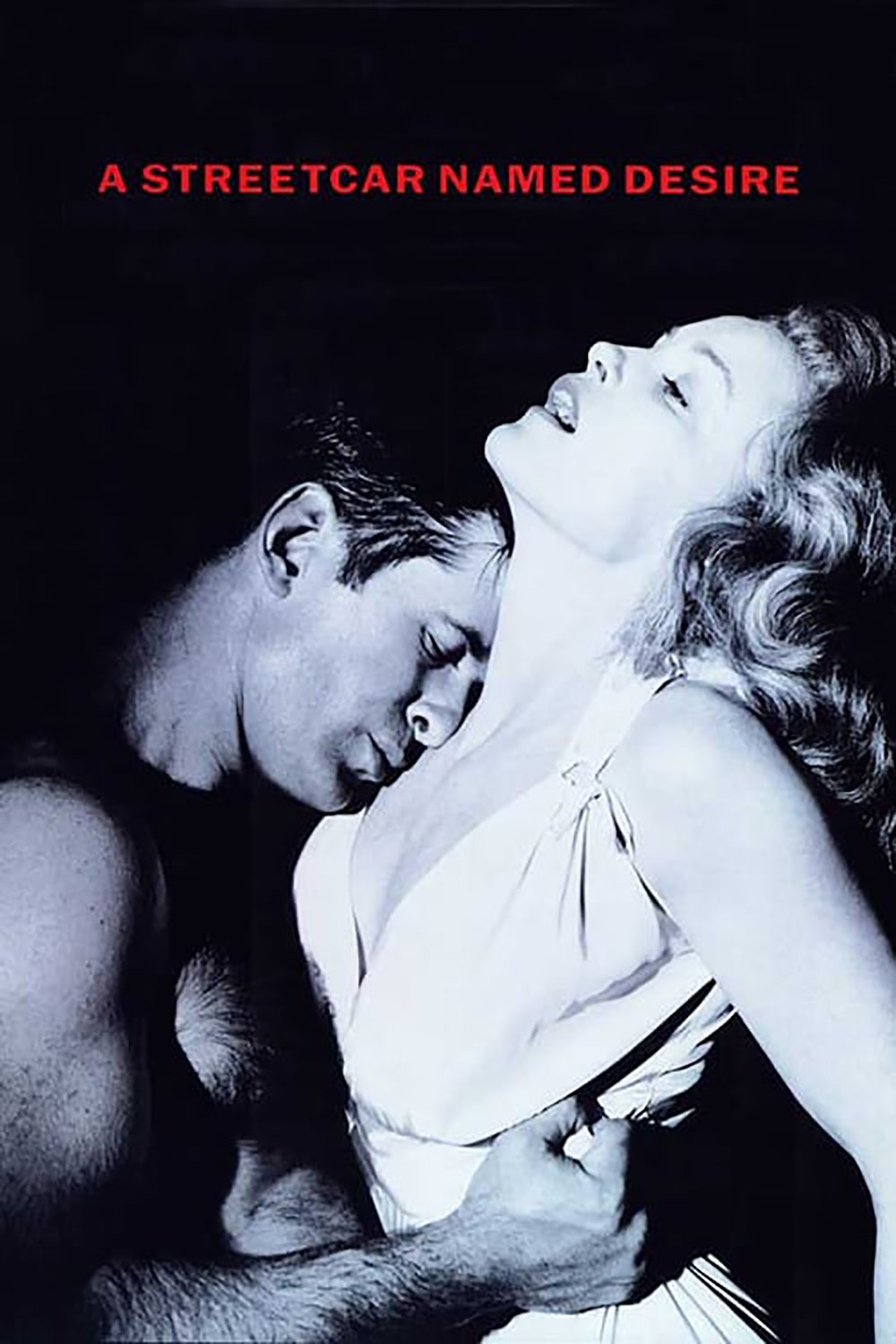
If you’re just beginning to explore classic cinema, A Streetcar Named Desire (1951) is often recommended as a welcoming choice. One big reason is that the story and its emotions still feel very real and powerful today. The film is based on a famous play by Tennessee Williams, but you don’t need to know anything about theater to follow and enjoy it. Its compelling characters, especially the unforgettable Blanche DuBois and Stanley Kowalski, draw you into their world quickly. You’ll notice famous performances from stars like Marlon Brando and Vivien Leigh, both of whom deliver acting styles that still grab an audience’s attention—raw, relatable, and not overly theatrical like in some older classics.
The setting, a warm and slightly rundown New Orleans apartment, feels lived-in and authentic rather than grand or distant, making it easy for new viewers to connect with the visuals and atmosphere. The themes—family tension, desire, illusions, and harsh realities—are timeless and easy to understand, even if you’re watching a classic film for the first time. Plus, the movie’s gripping conflicts and straightforward dialogue mean you won’t get lost in old-fashioned slang or confusing subplots. Even if you aren’t used to black-and-white movies, you’ll likely find that this film’s dramatic storytelling keeps you hooked from beginning to end.
What to Know Before Watching
- Historical or stylistic elements that may feel unfamiliar: This film comes from the early 1950s and is filmed in black and white, which might feel strange if you usually watch modern, color movies. The way people dress, speak, and interact can also seem different—sometimes more formal, sometimes surprisingly intense. The story is based on a stage play, so you might notice that much of the action happens in only a few rooms, almost like you’re watching a theater production.
- Pacing or storytelling differences from modern films: Compared to today’s movies, A Streetcar Named Desire moves at a slower and more deliberate pace. Scenes may pause longer to let conversations or emotions unfold. Instead of lots of action or rapid editing, the movie draws you in with dialogue and the way characters react to each other. At first, this slower pace may take a little getting used to, but it gives you time to absorb the performances and the mood.
- Anything that might surprise new viewers: Some of the movie’s topics—such as mental health, family secrets, and conflict—are handled more subtly than in most recent films, often hinted at rather than shown directly. Also, the relationships can be complicated and sometimes uncomfortable to watch, especially as tensions rise. Keep in mind that what you see and hear is shaped by the rules Hollywood followed back then, so certain topics or dramatic moments are suggested instead of shown.
Key Things to Pay Attention To
As you watch A Streetcar Named Desire, try to focus on how each character expresses their feelings and hidden motives. Blanche, with her dreamy outlook and anxious mannerisms, often says one thing but means another. Observe how she uses language and gestures to cling to her past and avoid the present. Stanley, on the other hand, is blunt and powerful—watch his body language and how he controls the space around him. The tension between Blanche and Stanley is a big part of the story, so notice how their interactions shift from playful to confrontational as the film goes on.
Also, pay attention to the emotions written on the actors’ faces. In this era, movies relied a lot on close-ups and expressive acting, so you can learn a lot just by watching facial reactions. The apartment setting may seem simple, but it adds to the feeling of crowdedness and pressure—notice how confined spaces influence the characters’ interactions and moods.
Finally, keep an ear out for the way the music sets the mood, gently signaling when something is about to change or a big feeling is emerging. The overall mood goes from dreamy to tense to heartbreaking, and the changes in lighting, sound, or background details can clue you in on what’s happening inside the characters’ hearts.
Common Misunderstandings for First-Time Viewers
- Thinking everything happens “on the surface” – At first, it may look like the story is just about arguments and family trouble, but there’s a lot more going on under the surface. Many feelings and conflicts are hinted at through glances, pauses, or even what the characters choose not to say. If something confuses you, ask yourself what might be going unsaid in that moment.
- Believing the characters are just “good” or “bad” – It’s easy to see Stanley as just a villain or Blanche as just a victim, but the truth is more complicated. Both have moments of strength and weakness. Part of the film’s power is how it shows people being complicated and real, even if they aren’t always likable.
- Expecting modern movie action or editing – Some new viewers hope for fast action, quick jokes, or flashy special effects because that’s common in newer films. Here, the tension builds through what isn’t said or a look between characters, so the dramatic moments might sneak up on you rather than shout for your attention.
Is This a Good Starting Point for Classic Cinema?
Absolutely! A Streetcar Named Desire is a smart and approachable first step into classic cinema. Its story remains relevant and gripping, and the deep, passionate performances are widely considered some of Hollywood’s best. It’s a great way to discover what makes classic movies special—raw emotion, rich characters, and memorable moments that stay with you long after the film is over.
While you might notice some differences from newer movies at first, this film’s pull comes from its universal themes and the moving struggles of people trying to find happiness against the odds. If you finish the movie feeling moved or stirred, that’s not by accident—this is one of the classics that made so many viewers fall in love with old Hollywood. It sets a wonderful tone for exploring more classic movies, and it just might become one of your favorites as well.
🎬 Check out today's best-selling movies on Amazon!
View Deals on Amazon