
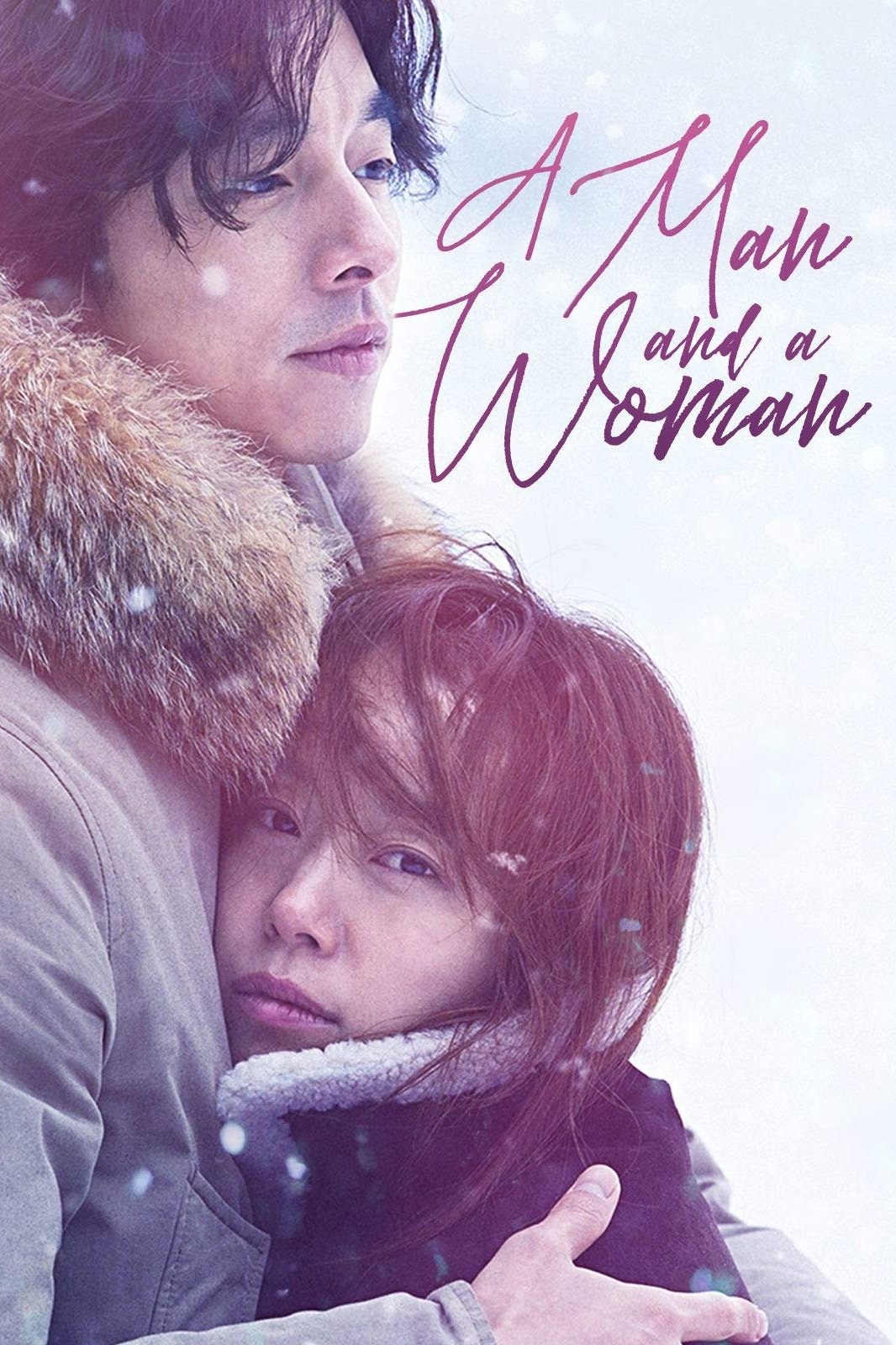
The First-Time Viewing Experience
Settling in to watch “A Man and a Woman,” viewers will find themselves quietly enveloped in an atmosphere of intimate subtlety and visual lyricism. For someone seeing this French classic for the first time, there’s a sense of gentle anticipation mingled with curiosity. The film’s opening moments immediately establish a poetic and reflective tone—its restrained performances and drifting camera usher you into a world where every glance, silence, and small gesture means something. It can feel distinctly different from the A-to-B storytelling of modern romance films; instead, director Claude Lelouch invites you to glide with the characters through moments of remembering, hoping, and caution. Newcomers frequently mention feeling transported—by the film’s elegant cinematography, its iconic musical refrain, and especially by the palpable chemistry between Anouk Aimée and Jean-Louis Trintignant. As emotions gradually unfold and past sorrows surface, first-time viewers are struck by the film’s patience and naturalism, finding themselves drawn in not by sweeping declarations, but by the authentic vulnerability of two wounded souls meeting by chance. For many, watching “A Man and a Woman” today is both a discovery and a quiet revelation: romance here is neither overly idealized nor cynically deconstructed, but experienced as fragile, truthful, and deeply human.
Emotional Moments That Resonate
Even after decades, several moments in “A Man and a Woman” reach across time and speak directly to our need for connection and healing. Many first-time viewers are moved by the way the film deals with loss and the courage it takes to open your heart again. Scenes between Anne and Jean-Louis, marked by hesitant conversation and unresolved silences, remind us of the universal hesitations we have after heartbreak. One of the most resonant sequences is the pair’s snowy beach walk, where the sparseness of their words says more than dialogue ever could. There is a rare honesty here; the film lingers on their tentative laughter, their stolen glances, and explores longing not as melodrama, but as a real ache tinged with hope. Modern audiences also find themselves unexpectedly swept away by the recurring melody—Francis Lai’s unforgettable music becomes a character in its own right, returning at moments of heightened emotion, underscoring the possibility of love reawakening. As Anne’s vulnerability collides with Jean-Louis’s earnestness, viewers witness two people learning to trust. The film’s conclusion, layered and ambiguous rather than conclusive, leaves space for reflection—an emotional aftertaste that lingers long after the credits roll and continues to connect with anyone who has ever loved with uncertainty.
How to Appreciate This Film Without Prior Knowledge
Perhaps the most welcoming aspect of “A Man and a Woman” is that you needn’t be steeped in film history or French culture to appreciate its quiet power. It’s a movie that doesn’t require context or specialized knowledge to move you; its language is feeling, memory, and the authenticity of small moments. If it is your first classic foreign film, rest assured that the story and emotions cut across time and culture. Don’t worry about catching every nuance—many viewers find that the beauty of the film unfolds simply from watching the characters, observing their gestures, and immersing yourself in the poetic visuals and evocative soundtrack. Allow yourself to be guided by the mood: the film’s color palette, shifting between warm and cool, its dreamlike flashbacks, and the way it weaves joy with melancholy. If you notice that dialogue is sparse at times or scenes linger longer than you’re used to, remember that this is part of the experience. The film was made to be felt as much as understood. Even if you come to it with no prior exposure to French cinema, or if you’re just starting to explore classic films, you’ll find its sincerity and quiet eloquence welcoming. The best approach is simply to let yourself feel, listen, and watch gently, allowing each moment to resonate in its own time.
Who This Film Is Best Suited For
- Viewers who appreciate reflective, emotional storytelling over rapid plot developments
- Anyone interested in romance films that portray love with honesty, maturity, and emotional nuance
- Those new to classic cinema looking for a gentle, visually poetic introduction to international films
A Beginner’s Final Recommendation
If you are about to watch “A Man and a Woman” for the first time, allow yourself to experience it at an unhurried pace. This is a film that rewards attentive, heartfelt viewing over quick consumption—the kind of movie that draws out your softer side and reminds you of how delicate and transformative love can be, even between two people who carry the weight of their own pasts. Don’t be concerned if it feels different from contemporary films; that is part of its unique charm. Instead, let the music, the visuals, and the gentle interplay between the leads guide your heart for a quiet hour and a half. By the end, you may find yourself unexpectedly touched—filled with empathy and a renewed sense of hope for second chances. Remember, being new to classics is a gift: you get to discover these celebrated moments for the first time, with fresh eyes and an open heart. Embrace the journey, knowing that every classic was once, for someone, a brand-new experience—just as it is for you now. Enjoy this graceful introduction to love on screen; it may just mark the beginning of a beautiful relationship with classic film.
🎬 Check out today's best-selling movies on Amazon!
View Deals on Amazon