
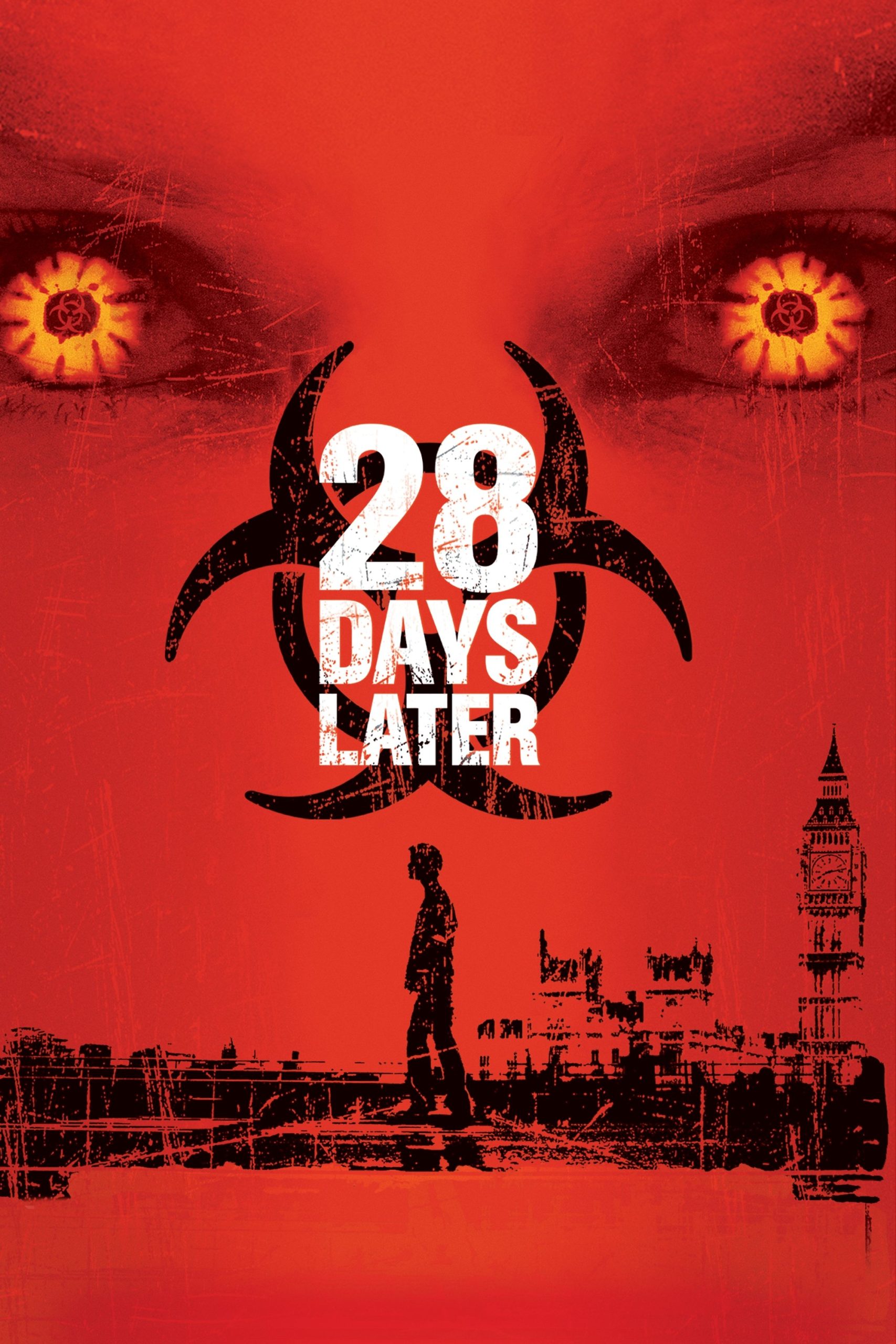
The First-Time Viewing Experience
Imagine stepping for the first time into a world that once looked like your own but rapidly transforms, frame by frame, into somewhere strange and unsettling. Watching 28 Days Later for the first time today is a uniquely charged, intimate, and sometimes haunting experience. As the film begins, you might find yourself pulled immediately into its stark, deserted landscape—a city you may recognize, now eerily silent and abandoned. The camera lingers on empty London streets, and as a new viewer, you might feel a quiet dread begin to settle: there is something deeply wrong, yet it takes a moment to understand just how wrong things are.
For those unfamiliar with apocalyptic cinema or who have yet to explore the genre of British horror, the spontaneity and rawness with which 28 Days Later approaches its narrative make every small detail resonate. The style is intimate—at times, almost documentary-like—so you may catch yourself both immersed and unsettled, as if this world could easily become your own. There is vulnerability in the protagonist’s bewilderment and fear—his uncertainty becomes yours. You share his isolation and confusion as he stumbles through the aftermath of catastrophe in a world stripped of its norms. This grounding in an ordinary person’s perspective is what gives the film its immediacy and deepens the sense of realism, making it impossible to remain emotionally detached.
As the pace gathers and the film reveals the scale and horror of what has occurred, a sense of mounting tension infiltrates each scene. For many, this tension is not bred from outlandish gore or special effects but from the tangible heartbreak of loss, survival, and the enduring flicker of hope when all seems lost. Your senses are tuned to the eerie silences, sudden outbursts, anxious whispers of what it means to be human in the face of devastation. Even if you aren’t a fan of horror or thrillers, 28 Days Later has a way of making every viewer consider how quickly society’s structure can crumble—and, perhaps most importantly, why our personal connections matter desperately in its ruins.
First-time viewers today might also find themselves reflecting on recent real-world experiences of uncertainty and disruption. The film’s moods and silences have a new resonance, its emptiness and isolation even more profound than when it first premiered. Yet within that stillness, there are persistent notes of hope, a determination to connect and rebuild, that gently thread through your viewing and leave you reflecting long after the credits roll.
Emotional Moments That Resonate
Some films rely purely on plot twists, but 28 Days Later knows the true fear and beauty lie in moments of quiet vulnerability and raw connection. The emotion hits hardest just as you become acquainted with the handful of survivors who, though battered and broken, form fragile bonds in their fight to stay alive. Early on, you may remember the haunting image of Jim—confused and exposed—wandering an empty London in a hospital gown. This powerful moment, striking in its simplicity, taps into a primal anxiety about being alone in a world that once teemed with life. There’s a universal ache in this solitude, a recognition of the human need for companionship and meaning.
Another moment that tends to grip modern audiences is the scene in which Jim and his newfound allies, Selena and Mark, must make snap decisions about survival. The emotional intensity feels unfiltered and personal: every alliance is tentative, every word cautiously weighed, because trust is something that must be rebuilt from nothing. These interactions, imbued with empathy and suspicion, echo the challenges we all face when approached by the unknown.
Then there’s the scene at the safe house, where moments of respite are interlaced with underlying dread. Frank and his daughter Hannah provide humanity, laughter, and the warmth of a surrogate family—fleeting glimpses of normal life amidst panic and chaos. The tender moments they share, such as sitting around sharing stories or savoring a rare meal, evoke both heartache and hope. These instances remind viewers how love, loyalty, and kindness can persist, even when the world outside is unrecognizable.
Yet perhaps most stirring is the moment when Jim is forced to make choices that challenge his morality—when survival means confronting the violence that lies dormant within. The film asks you, sometimes without words, what you would sacrifice to protect those you care about. This raw dilemma resonates powerfully in a world that often demands hard decisions. You may find yourself identifying with emotions you’d rather not acknowledge: fear, anger, desperation, and ultimately, a surprising capacity for resilience and compassion.
If you watch 28 Days Later for the first time in our contemporary era—when collective experiences of isolation and uncertainty feel all too familiar—the emotional moments in the film seem only to deepen. The survivors’ bittersweet victories, small gestures of comfort, and brief respites from horror whisper truths about our own lives: we survive best when we reach out, find meaning in each other, and protect the fragile threads of hope that remain.
How to Appreciate This Film Without Prior Knowledge
Approaching 28 Days Later as a newcomer is not just possible—it is in many ways ideal. You do not need to be versed in the nuances of horror or British cinema to appreciate what this film accomplishes. Its storytelling is direct, its emotions universal, and its themes deeply human. In fact, coming to it without expectations allows you to be genuinely surprised by its subtleties: the visual poetry of abandoned cities, the authenticity of its characters’ interactions, and its quietly thought-provoking meditations on society and survival.
If you are worried about missing out on references or genre conventions, be reassured: this film does not require you to know anything about the zombie genre or post-apocalyptic fiction. Director Danny Boyle consciously steers away from cliches, imbuing the story with realism and focusing on character over spectacle. The “infected” are not traditional zombies—they run, rage, and represent more than just monsters; they are extensions of the film’s questions about fear, anger, and humanity itself.
What matters most for first-time viewers is a willingness to be present with the story, to notice how tension builds both through sound and silence, and to let yourself identify with the characters’ uncertainties. There are no complicated plot twists to unravel or hidden inside jokes to decode. Instead, allow yourself to feel the emotions on screen: the dread of isolation, the relief of human connection, and the bittersweet moments of fleeting happiness. Being unacquainted with horror tropes may actually make the scares and surprises even more effective, because you are not expecting them.
It can help, too, to watch the film with an open mind—ready to accept slow moments of reflection and sudden bursts of action. You might notice how much the film relies on mood, music, and visuals to create an immersive atmosphere. This is a story of survival, yes, but also of love, loss, and the enduring strength of the human spirit. Remember, the best way to appreciate 28 Days Later is simply to be present: to let yourself experience, moment by moment, what the characters are feeling and to reflect on how it mirrors our own world in unexpected, often unspoken ways.
Who This Film Is Best Suited For
- Curious viewers interested in exploring psychological and emotional storytelling rooted in real-world settings
- First-time horror or thriller audiences seeking a film rich in atmosphere, humanity, and unique cinematic vision
- Fans of character-driven dramas who appreciate understated performances and subtle explorations of human resilience
A Beginner’s Final Recommendation
If this is your first time considering 28 Days Later, take heart: you are about to witness not just a film but an experience that lingers long after the final scene. You do not need to prepare, analyze, or anticipate—simply be open to the journey. This film invites you into a world that feels both alien and familiar, tapping into fears and hopes that are timeless and universal. It is a story about what happens to people when the world changes, but even more, it is a testament to how, despite everything, kindness, determination, and connection survive.
As a beginner, do not shy away from the film’s intensity or its emotional honesty. Let yourself be moved by its quiet moments, surprised by its sudden turns, and inspired by the courage of its characters. Know that your reactions—whether awe, fear, empathy, or sorrow—are valid and part of what makes the experience so meaningful. Watching 28 Days Later for the first time is an invitation to reflect, to feel deeply, and to discover in yourself those same sparks of hope and strength that carry the film’s survivors forward.
Embrace this classic with courage and curiosity, confident that you will connect to something profound. Every great film becomes a part of you for having watched it; 28 Days Later will do just that—leaving you with new thoughts, lasting impressions, and a refreshed appreciation for the resilience that defines us all. Welcome to the journey.
🎬 Check out today's best-selling movies on Amazon!
View Deals on Amazon