
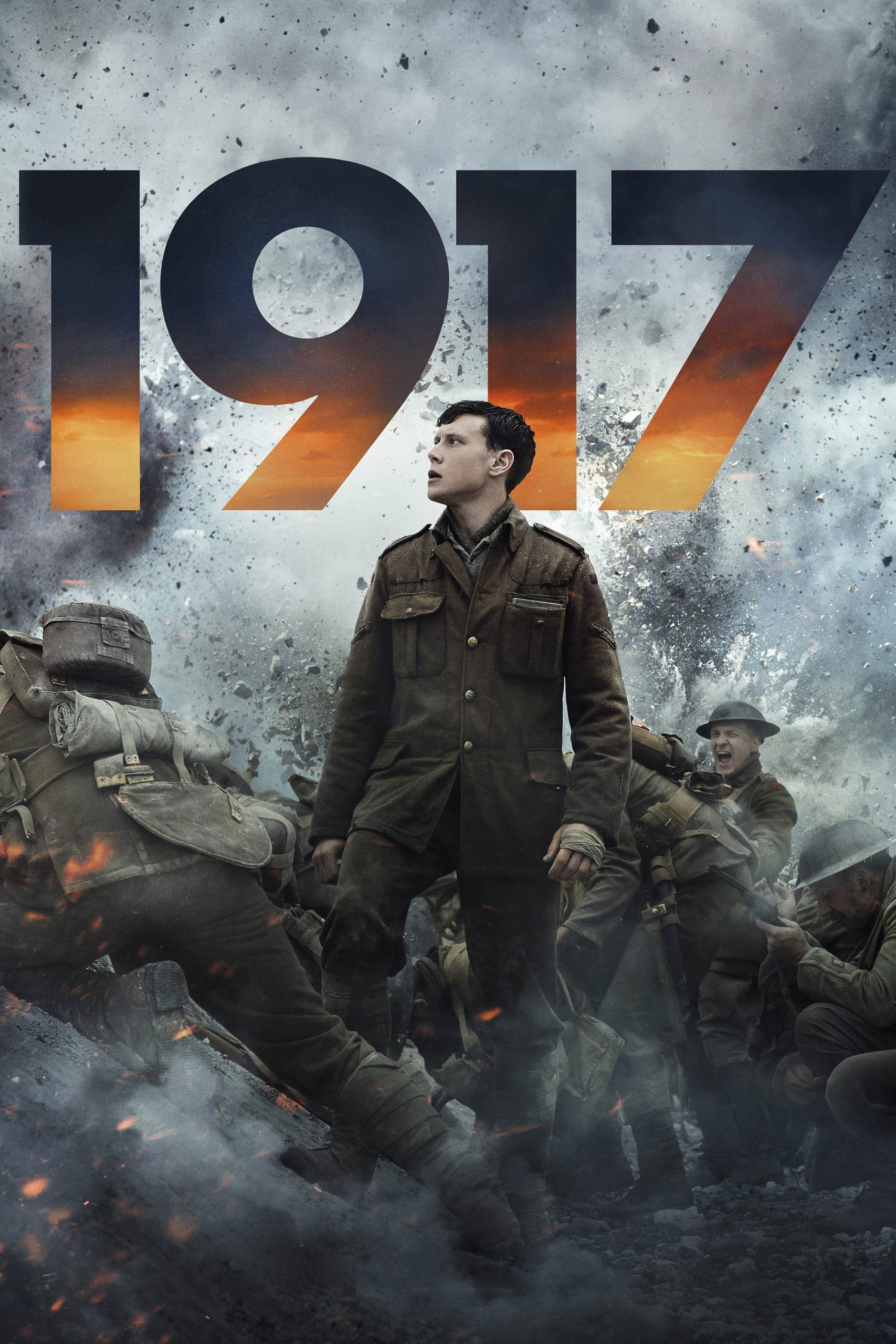
The First-Time Viewing Experience
Watching 1917 for the very first time is much more than stepping into another war film—it is to be swept up in an immediate, almost breathless journey, where the passage of time and space folds in on itself, and the line between movie screen and lived experience feels uncannily blurred. Many new viewers find themselves immediately enveloped by a sense of immersion the likes of which cinema rarely provides. From its opening moment, there is the distinct sensation of being present alongside the two young soldiers, Will Schofield and Tom Blake, as their mission rapidly unfolds. The famous “single take” style is not just a technical marvel; it’s the carrier for deep empathy, a channel that brings each viewer right into the mud, the tension, and the urgency of World War I as if time has dissolved, and the past becomes part of the present. This unbroken flow sparks a quiet awe in first-time watchers—a sense of witnessing something seamlessly real, intimate, and relentless, where danger lurks behind every unfamiliar corner. With each step, heartbeats synchronize with the characters’, and every gasp or reprieve feels deeply earned. Curiosity, nerves, and even apprehension are common during the first moments, but as the film draws on, most viewers settle into an almost meditative sense of suspense and emotional proximity. When the credits roll, there’s often a palpable hush—a testament to the way 1917 stirs the soul, leaving questions in the air and echoes of the journey still reverberating.
Emotional Moments That Resonate
Throughout 1917, there are scenes that leave indelible marks on viewers, emotionally etching themselves into memory despite—or perhaps because of—the unceasing movement of the film. One moment that frequently touches audiences is the quiet scene in the cherry orchard, a brief pause in the chaos, where a soft reminder of home and peace blossoms amid destruction. This sequence, almost lyrical in its beauty, resonates because it is a fleeting taste of normalcy in a landscape ravaged by violence. Another truly affecting episode arrives during the tense crossing through the devastated French town at night, bathed in flickers of fire and searchlights. Here, the desperation, fear, and surreal beauty intermingle, and the viewer feels the raw vulnerability of youth caught in history’s grip. Perhaps most moving of all is the film’s final stretch—a mad sprint along the front, where the mission’s stakes are laid bare in stark emotional clarity, and time seems both to contract and expand. By then, empathy for Schofield is almost physical; eyes blur, throats tighten with the cumulative weight of his ordeal. The concluding scenes—understated yet profound—remind modern audiences of the private costs of war and the small, personal acts of endurance that quietly shape history. These beats carry an emotional honesty, connecting across decades, comforting and startling viewers in equal measure with their gentle power.
How to Appreciate This Film Without Prior Knowledge
If you come to 1917 without deep background in history or familiarity with World War I films, take heart—its artistry is instantly accessible and its human themes universal. Viewers are not required to know trench layouts, military titles, or the specifics of 1917’s moment in the Great War to feel the impact of this story. What matters most is the connection forged between the audience and those two young protagonists; their fears, uncertainties, small acts of courage, and moments of care need no translation. The filmmaking technique—often described as a ‘continuous shot’—is not meant just for cinephiles to dissect, but exists to help all audiences walk in the characters’ boots from the first minute until the last. As you watch, let yourself experience the film moment by moment, as the world and stakes gradually reveal themselves. Try to notice the expressions on faces, the sudden choices, the weight of exhausted bodies. The film trusts the viewer to feel, to wonder, and to be carried along by what unfolds in real time. In this way, 1917 is open to every kind of viewer, and rewards not specialized knowledge but emotional openness and simple curiosity.
Who This Film Is Best Suited For
- Viewers drawn to powerful, immersive experiences who desire to “feel” rather than merely “watch” a film
- Those with an interest in stories of friendship, resilience, and the quiet heroism of ordinary people facing impossible odds
- First-time classic film explorers looking for a visually stunning, emotionally rich narrative that welcomes newcomers
A Beginner’s Final Recommendation
For anyone considering making 1917 their first foray into classic modern filmmaking, know that you are in gentle hands. The film’s artful construction, combined with its utterly human story, makes it a welcoming place for all viewers, regardless of background or experience. Go in knowing that you do not need to prepare or study, but simply allow yourself to be swept along by the journey. Let yourself notice the details: the change in light as dusk falls, the sweat and grit that gather on skin, the way silence can sometimes be as terrifying as gunfire. Give yourself permission to feel—not just the suspense and heartache, but the moments of hope and comradeship that surface like wildflowers amid mud. When the credits roll, whether you feel moved to silence, deep in thought, or eager to discuss what you’ve just seen, remember that there is no “right” way to respond. Your individual experience is valid and valuable. In opening yourself to 1917 for the first time, you join a living tradition of film lovers who have each discovered something personal in its frames. Welcome to this journey—you belong here, you are capable of appreciating it fully, and your first encounter with 1917 is sure to linger, as all great cinematic beginnings do.
🎬 Check out today's best-selling movies on Amazon!
View Deals on Amazon