
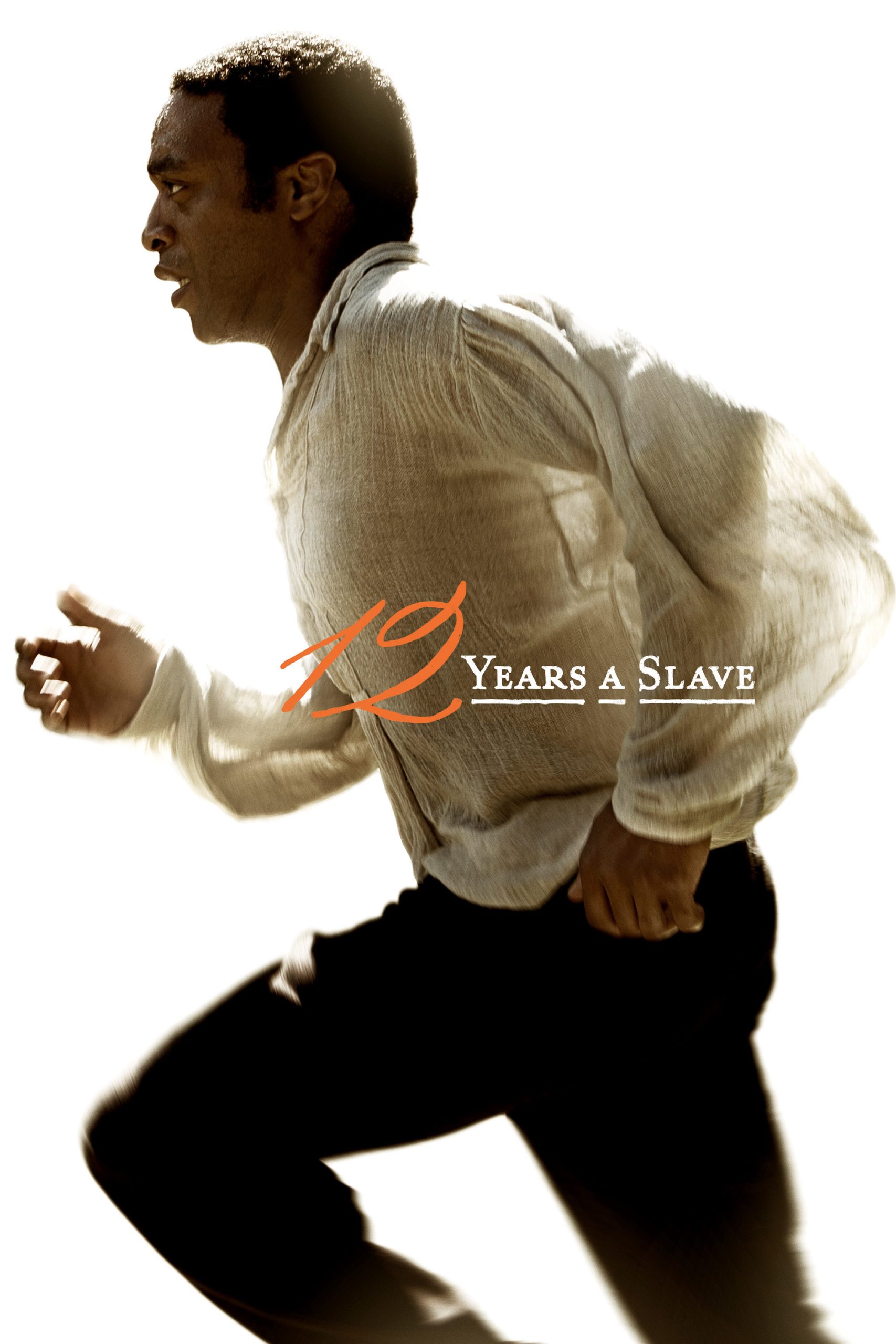
The First-Time Viewing Experience
Watching 12 Years a Slave for the very first time is nothing short of profound. For many new viewers, there’s a gentle sense of anticipation as the lights dim or the screen comes alive, a quiet acknowledgement that this isn’t just a film—it’s an invitation to journey into a chapter of history carried largely in the hearts and memories of so many, but seldom seen so unflinchingly on screen. The opening images settle in, drawing you into the world of Solomon Northup, and the tenderness of his family life soon gives way to disbelief and visceral dread as his world unravels.
New viewers often find themselves grappling with a unique blend of awe and discomfort throughout their first viewing. 12 Years a Slave does not shy away from harrowing truths; it presents the cruelty and injustice of enslavement directly, refusing to soften its gaze. For those unfamiliar with the film’s subject matter, it can be overwhelming—expect your heart to race, and perhaps your hands to tremble, especially during the most intense scenes. But alongside this shock and sorrow lives a surprising sense of intimacy: you are with Solomon, seeing not only his suffering but also his resilience, intellect, and quiet hope.
The experience is also one of revelation. Many newcomers—regardless of their background or prior knowledge of American history—come away recognizing the power of film to deepen empathy. This is not a distant, dusty history lesson told by rote. Instead, first-time viewers are offered an opportunity to witness history through intimately realized human eyes. The technical craftsmanship, from the coloration of the landscapes to the measured pace of the cinematography, pulls you into a world at once foreign and heartbreakingly familiar. Sound, music, and silence all become characters in themselves, punctuating the moments that shape Solomon’s journey.
It’s common for viewers to feel a lingering impact long after the credits roll. Some might find themselves tearful or reflective, wrestling with emotions that can surface unexpectedly—a testament to the film’s capacity to reach across generations and speak truth to the present. For many, this film becomes a touchstone: a cinematic milestone that leaves you changed, and perhaps inspired to learn, discuss, or simply sit with deeper feelings. The first-time viewing experience is, at its heart, an invitation to witness courage in its purest form and to share a space of vulnerability and grace with all who have come before you—and all who will come after.
Emotional Moments That Resonate
There are certain scenes in 12 Years a Slave that find their way into viewers’ hearts long after the movie ends. These moments transcend differences of background, age, or prior knowledge, creating a universal emotional resonance with almost everyone who watches. One of the film’s most unforgettable aspects is its ability to communicate pain, hope, and dignity without unnecessary embellishment. Each pivotal scene is carefully crafted to ensure you’re not merely an observer, but a compassionate participant in the truth unfolding on screen.
The very first sequence of Solomon’s betrayal, where the world he understands is suddenly and irrevocably altered, resonates powerfully with newcomers. The abruptness with which his freedom is stolen—a fate he shares with so many others—sets the emotional tone for the journey ahead. The confusion in Solomon’s eyes, the disbelief that such cruelty could be directed at him and those beside him, quickly evolves into a universally recognized expression of loss and disbelief.
Many viewers are deeply moved by moments of silence—where the camera lingers on Solomon’s face, or pauses amid the clamoring violence to focus on a single, unspoken plea. One such scene involves Solomon hanging from a tree, his toes just barely brushing the ground. The world continues around him—the mundane and the monstrous entwined—and time stretches unbearably. It’s a scene that forces viewers to sit with discomfort and to contemplate the full weight of what is happening. Few cinematic moments feel as intense and unforgettable.
Another deeply felt moment comes whenever Solomon is given brief, fleeting glimpses of hope—when a small act of kindness is extended, a favorite song is sung, or his yearning for reunion with his family is spoken aloud. These glimmers serve to remind both Solomon and the audience of the profound humanity at the heart of his struggle. Viewers will likely remember the scene where he dares to write a letter home, using a precious scrap of paper and whatever ink he can muster. The tension—between hope and fear, freedom and captivity—reaches a crescendo here.
Equally impactful are the performances themselves. Lupita Nyong’o’s portrayal of Patsey is nothing short of extraordinary, and Patsey’s story is one that resonates deeply with viewers. Her anguish and her longing for dignity and relief lay bare the realities faced by so many. Many viewers recall her scenes with enduring empathy, her pain echoing across time and drawing forth both sorrow and solidarity.
Finally, the film’s closing moments—when Solomon is at last reunited with his family—are met with a wave of mixed emotions. Relief, sorrow, gratitude, and grief all intermingle as the full emotional journey crystallizes. For many, this catharsis makes the film’s earlier pain bearable, and the redemptive humanity leaves an indelible mark. It is nearly impossible to leave the film unchanged; these moments live on in conversation, contemplation, and collective memory.
How to Appreciate This Film Without Prior Knowledge
Newcomers might wonder if understanding the historical context or having academic knowledge of America’s past is necessary to truly appreciate 12 Years a Slave. Be reassured: no textbook expertise or in-depth background is required to connect powerfully with this film. What is most essential is openness—the willingness to experience Solomon’s story as it unfolds, to listen and to bear witness.
The film’s storytelling brilliance lies in its ability to make the events comprehensible and immediate, relying on the universal language of emotion, injustice, and resilience. You will notice that the film does not ever require you to know extensive details about the period, the politics, or the social structures that enabled slavery. The narrative is self-explanatory and draws you in through its visual cues, character interactions, and the raw authenticity of human feeling.
Should you find yourself confused or unsure about particular historical details, don’t worry—these moments are relatively brief, and the film’s emotional clarity always brings you back on course. There are no quizzes, no gatekeepers, no “wrong” reactions. In fact, many first-time viewers report that coming in with little prior knowledge can heighten the personal impact, making discoveries in real-time alongside Solomon. Every question and every emotion you feel is valid.
If you approach 12 Years a Slave with curiosity and empathy, you are prepared. Allow the images and performances to speak for themselves, and remember that films like this draw on the basic human capacities—compassion, sorrow, anger, hope—that all viewers possess, regardless of background. The story, the visuals, and the soundtrack all work hand in hand to tell you what you need to know, moment by moment. You may finish the film with new questions, or perhaps with a desire to learn more, but the power of your viewing experience will never depend on what you already knew.
Perhaps most important of all, know that there is no perfect way to respond. Some viewers may be moved to tears, others to silence, and still others may want to discuss and seek out more stories. Every reaction is respectful and real, and worth honoring. You are not alone—many others have walked this cinematic path for the first time, reflecting, feeling, and growing through the journey. Bring only yourself, and an open heart; the film will meet you wherever you are.
Who This Film Is Best Suited For
- Viewers who yearn for stories that challenge, educate, and inspire; those drawn to historical narratives told with warmth, honesty, and gravity.
- Fans of human drama who appreciate powerful performances and character-driven storytelling, regardless of their experience with history or classic cinema.
- People seeking a gateway into meaningful conversations or self-reflection, whether alone or as part of a community, book club, or classroom discussion.
A Beginner’s Final Recommendation
If you are contemplating your first viewing of 12 Years a Slave, know that you are about to experience something rare and valuable—a film that not only recounts the past, but also invites understanding, healing, and honest reflection in the present. You do not need to be a historian or a seasoned film buff. You only need to bring your willingness to watch and your openness to feeling.
Give yourself permission to pause if you need to, to take breaks, to sit with your reactions, or to seek support if the emotions become intense. This film is demanding, but it is also deeply rewarding. Its power lies in its truth—the truth of Solomon Northup’s ordeal, and of the countless lives touched by the institution of slavery. By coming along on this cinematic journey, you honor that truth.
Remember too that this experience is yours alone. Whether you are moved to tears, provoked to anger, or left marveling at human endurance, each response is meaningful and worthy. If you are watching as part of a group or discussion, be gentle with one another—these stories are hard but necessary, and your voice adds strength to the collective remembering and honoring.
You are more than capable of appreciating every moment of this film, in your own time and your own way. If you find yourself wanting to talk or learn more when it’s over, know that this is a testament to the film’s enduring impact. Most importantly, know that you are welcome in the community of first-time viewers—those who choose hope, connection, and remembrance as we watch together.
So, take a breath, press play, and let the experience carry you. This remarkable film will move you, teach you, and stay with you. It is a classic not because it is easy, but because it is honest, compassionate, and unforgettable. Enjoy your journey into the world of 12 Years a Slave—you are truly in good company.
🎬 Check out today's best-selling movies on Amazon!
View Deals on Amazon